How to Shop Wall Art Online Without Getting Burned
The digital landscape grants collectors unprecedented access to thousands of artists, styles, and formats worldwide. However, this convenience completely removes your ability to inspect the artwork's physical quality in person. Countless buyers rush their purchasing decisions based solely on digital thumbnails, completely overlooking critical details such as archival materials, edition types, and authentic artist attribution.
This comprehensive guide equips you with the exact strategies you need to shop for wall art online with absolute clarity. We focus heavily on verifying material quality, assessing long-term value, and executing practical pre-purchase checks so you confidently avoid common industry pitfalls and make highly informed investments.
Why Shopping for Wall Art Online Differs from Traditional Galleries
The Rise of Digital Art Platforms
Online art platforms fundamentally changed how collectors discover and purchase fine art. Digital galleries shatter geographic limitations, connecting buyers directly with global artists and premier print studios. You can now explore curated collections, discover niche contemporary styles, and acquire highly sought-after limited editions from a single digital marketplace. This dramatic shift democratizes art collecting, making premium artwork instantly accessible to both seasoned collectors and new interior design enthusiasts.
The Clear Benefits of Digital Discovery
When you shop for wall art online, you instantly unlock a vastly wider range of curatorial styles than any physical gallery can hold. Premium platforms provide advanced filtering tools that let you quickly narrow your options by exact size, color palette, and artistic medium. Furthermore, digital platforms enforce strict pricing transparency. You can instantly compare similar artworks, clearly understand the price differences between specific editions, and seamlessly mix affordable open prints with premium investment pieces.
Common Risks Buyers Face Online
The primary challenge of buying art online remains the total lack of physical inspection. You cannot run your hand over a canvas to check the texture, inspect the paper's weight, or evaluate the framing quality in person. Many untrustworthy sellers exploit this by utilizing heavily edited, hyper-saturated images that completely misrepresent the final printed product. Buyers also frequently encounter vague edition details, missing artist biographies, and unreliable shipping practices. If you fail to check these elements carefully, you risk wasting your budget on low-quality, disposable decor.
Understand the Types of Wall Art Before You Buy
Open Edition vs. Limited Edition Prints
Studios produce open-edition prints in unlimited quantities. This ongoing availability makes them significantly more affordable and well-suited for casual buyers looking to complete a decorative interior design project.
Conversely, publishers limit edition prints to a strict, predetermined quantity. Artists frequently sign, date, and sequentially number each piece. This rigid structure guarantees extreme scarcity, which dramatically increases the artwork's perceived and actual value among serious online art collectors.
Hand-Embellished and Original Artworks
Artists manually apply unique textures, layered pigments, or sweeping brushwork to hand-embellished artworks after the initial printing process finishes. This direct physical intervention ensures that no two pieces look identical, bridging the gap between a standard print and an original painting.
Original artwork exists as a singular, one-of-a-kind creation executed entirely by the artist's hand. Originals command the highest pricing tiers due to their absolute exclusivity and direct historical connection to the creator.
Framed vs. Unframed Formatting
Framed wall art arrives at your door completely ready to hang, saving you significant time and effort. Premium studios handle the framing process, ensuring artwork is mounted and presented correctly with archival materials.
Unframed prints offer maximum design flexibility. You simply receive the print, rolled or flat, allowing you to source custom, bespoke frames that perfectly match your specific interior architecture and budget.
How to Choose the Right Wall Art for Your Space
Scale and Size Considerations
Physical size dictates the visual balance of your entire room. Massive, expansive walls absolutely require oversized artworks or structured gallery arrangements to prevent the space from feeling empty. Conversely, small pieces look entirely disconnected and awkward when floating alone on wide surfaces.
Designers follow strict scaling rules: when placing wall art above a living room sofa, ensure the artwork covers roughly two-thirds of the sofa's length to anchor the seating area properly.
Matching Artwork to Interior Architecture
Your artwork must speak the same visual language as your room's overall design. Crisp, modern wall art instantly elevates minimal, austere interiors. Meanwhile, heavily textured, complex figurative pieces beautifully complement layered, eclectic spaces. Maintaining a consistent curatorial style guarantees you build a cohesive environment and eliminates chaotic visual clutter.
Selecting Art Based on Mood and Color
Color selection heavily influences the psychological mood of your space. The artwork's palette should directly complement your existing furniture, foundational rugs, and ambient lighting. Muted, neutral tones cultivate serene, meditative spaces, while aggressive, bold colors inject necessary architectural contrast. Furthermore, the subject matter, whether sweeping abstract landscapes or intimate figurative portraits, drastically alters the room's emotional impact.
What to Check Before You Shop for Wall Art Online
Material Quality and Printing Techniques
Print quality relies entirely on the specific production technique the studio utilizes. Giclée printing stands as the undisputed gold standard for high-resolution fine art reproduction. This advanced inkjet process guarantees absolute color accuracy and flawless detail retention. Avoid sellers who refuse to name their printing method, as cheap, mass-market printing techniques fade rapidly and lose all visual clarity within a few years.
Archival Paper and Canvas Standards
Premium archival paper and heavyweight canvas materials drastically increase an artwork's physical durability. These museum-grade materials actively resist UV fading and maintain absolute color integrity for decades. Elite studios exclusively utilize archival standards, ensuring your investment remains pristine for long-term display.
Verifying Artist Authenticity
Always demand clear, verifiable identification for the artist. Authentic digital galleries prominently feature detailed biographies, explain the creator's specific artistic style, and document their exhibition history. Verified artist profiles establish immediate trust and guarantee market transparency.
Pricing Explained: What You Actually Pay For
Decoding Cheap vs. Expensive Art
Price variations stem directly from material costs, specific production methods, and the artist's direct involvement. Factories mass-produce cheap prints using standard, non-archival commercial paper, stripping away all exclusivity. Premium artwork commands significantly higher prices because studios use heavy cotton-rag paper, employ archival pigment inks, and strictly limit market availability.
How Edition Size Impacts Value
Smaller edition sizes actively drive up market scarcity. A strictly limited run of 50 prints holds substantially more value than a massive run of 5,000 copies. Discerning collectors aggressively seek out lower-edition numbers to secure exclusivity and protect their financial investment.
Artist Reputation and the Production Process
Highly established, globally recognized artists command premium prices simply due to overwhelming market demand. Additionally, the physical production process has a significant impact on the final cost. Complex, hand-finished works or pieces requiring specialized printing techniques demand significantly more time and skilled labor, which naturally elevates the retail price.
Red Flags to Avoid When Buying Wall Art Online
Stock Images Posing as Original Art
Fraudulent sellers frequently steal generic stock visuals and market them as original contemporary art. These mass-produced files lack all authentic originality. Always reverse-image search suspicious pieces to verify their true origin.
Missing Edition Details
When a seller actively hides the total edition size or refuses to name the artist, you must immediately recognize this as a severe warning sign. This lack of transparency usually indicates a dropshipped, mass-produced poster factory rather than a legitimate art studio.
Poor Image Resolution
Low-resolution digital previews completely prevent you from properly evaluating the work. If you cannot clearly see the paper texture, the brushstroke details, or the edge of the print, you cannot verify its quality.
Hidden Return Policies
Trusted, premium art websites clearly publish comprehensive return, refund, and damage policies. If a gallery hides this information or refuses to accept returns on standard prints, you bear 100% of the financial risk.
Where to Shop Wall Art Online Safely
Curated Platforms vs. Mass Marketplaces
Mass digital marketplaces focus entirely on high volume and infinite variety, leading to plummeting quality control. Conversely, curated art platforms employ expert directors who carefully vet every artist and inspect every artwork before publishing a listing. This strict curatorial gatekeeping dramatically improves product consistency and eliminates buyer risk.
Identifying Reliable Online Galleries
A truly reliable digital art store provides exhaustive product details, prominently features verified artists, and displays transparent, upfront pricing. They also offer highly secure, encrypted payment gateways and clearly define their shipping timelines.
The Power of Curated Collections
Curated collections survive rigorous selection processes. Expert curators ensure the platform only lists high-quality, culturally relevant artworks. Platforms like Haus of Collectors champion this exact approach, maintaining absolute consistency across premium materials, archival printing methods, and museum-quality presentation.
How to Evaluate Artwork Without Seeing It
Analyzing Product Descriptions
Never skip the written details. Comprehensive product descriptions must explicitly state the exact dimensions, the specific paper weight, the precise printing method, and the total edition size. This raw data helps you understand the physical product far better than a digital thumbnail ever could.
Utilizing Scale Previews
Always verify the exact numerical dimensions and physically map them onto your wall using painter's tape. Premium platforms also offer digital scale previews that accurately overlay the artwork in a standard living room, helping you visualize its true physical footprint.
Exploring Zoom and Texture Tools
Take full advantage of high-resolution zoom features. Inspect the macro details of the piece. Look closely for simulated canvas textures, crisp edge definitions, and specific framing joints to accurately judge the final, physical look.
Styling Tips After Your Purchase Arrives
Building Cohesive Gallery Walls
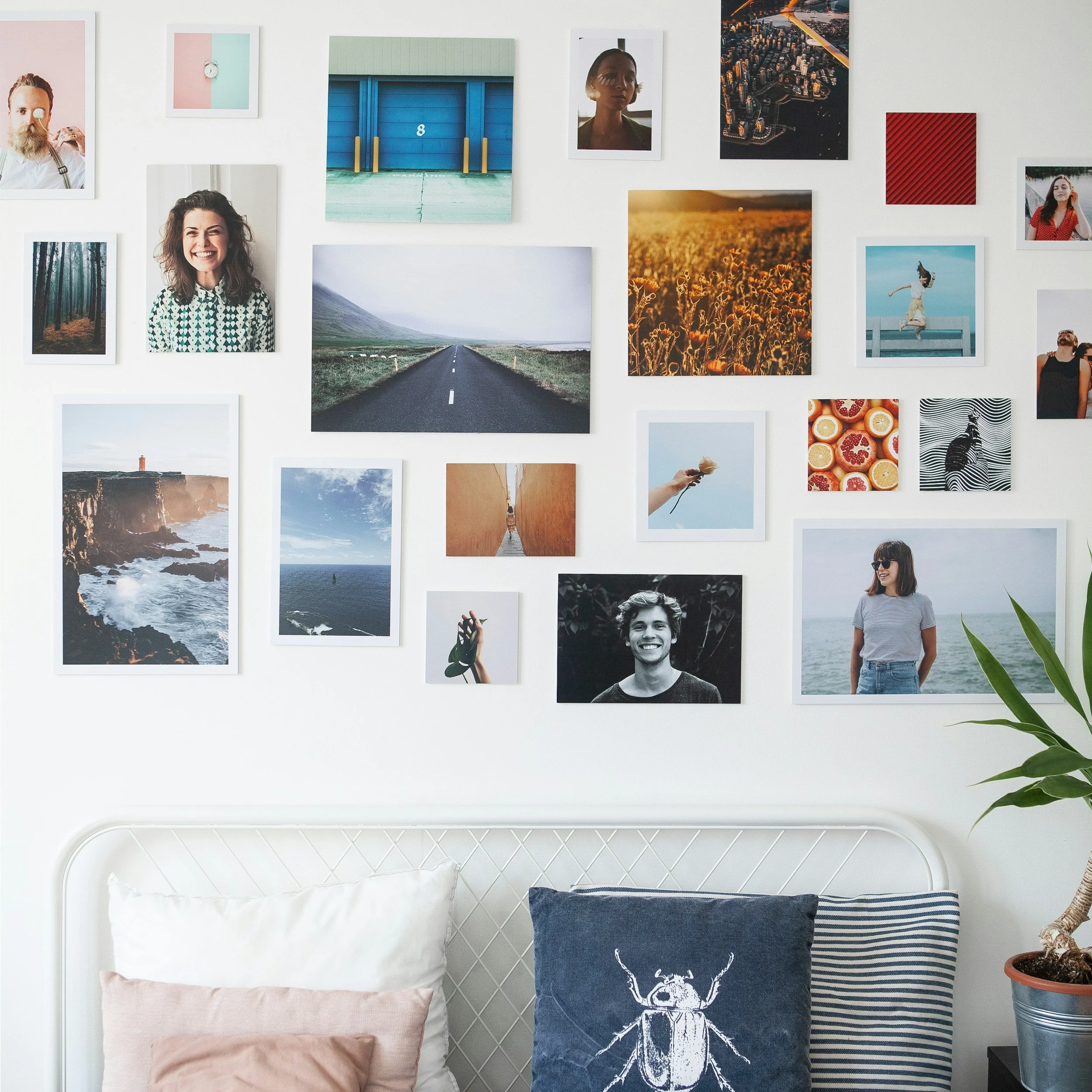
To build a stunning gallery wall, deliberately group artworks that share a consistent thematic concept or a tightly unified color palette. Maintain exact, equal spacing between every single frame to create rigid architectural balance and prevent visual chaos.
Executing Perfect Placement
Always center your primary artwork at eye level (roughly 57 to 60 inches from the floor) for optimal viewing comfort. Align the edges of your frames with the outer edges of your furniture to maintain strict structural harmony in the room.
Perfecting Lighting and Framing
Strategic lighting drastically enhances rich colors and highlights subtle textures. Install dedicated picture lights or angled track lighting above your pieces. Furthermore, utilize clean, neutral frames that visually support the artwork rather than aggressively competing for the viewer's attention.
Why Collectors Are Moving Toward Curated Art Platforms
Rejecting Mass Decor for Meaningful Art
Today's buyers actively reject generic, disposable decor. They shift their focus toward acquiring meaningful wall art that holds its value. This evolution prioritizes deep personal individuality and authentic cultural relevance.
Securing Emotional Value
Curated art prints project a much stronger, more confident artistic direction. They add profound narrative depth and a distinct visual identity to your private space, fundamentally changing how you experience your home.
Investing in Long-Term Value
High-quality, archival fine art maintains its physical beauty and market relevance over decades. Conversely, cheap disposable decor quickly loses its visual appeal, warps in the frame, and demands constant, wasteful replacement.
Final Checklist Before You Check Out
Confirm Dimensions and Materials: Always double-check the exact measurements, the specific archival paper type, and whether the gallery includes a custom frame.
Verify Authenticity: Actively confirm the artist's identity, read their biography, and check the exact edition size to guarantee authenticity.
Review Platform Policies: Read the return window, check the shipping insurance policies, and verify the authenticity guarantees before finalizing your payment.
Conclusion: Shop Wall Art With Confidence
Shopping for wall art online completely transforms from a risky gamble into an exciting curatorial journey when you focus strictly on verifiable facts and archival details. Material quality, proven printing techniques, and authentic artist attribution must guide every single purchasing decision you make.
Curated platforms entirely simplify this overwhelming process by offering highly structured collections and strictly vetted artworks. This expert gatekeeping eliminates your uncertainty and massively improves your buying confidence.
When you execute your purchases carefully, wall art ceases to be a short-term decorative bandage and becomes a permanent, highly valuable addition to your environment. To instantly upgrade your interior with museum-quality, expertly vetted pieces, explore the exclusive limited editions at Haus of Collectors today.
Frequently Asked Questions
-
The best platforms prioritize archival quality and radical transparency. Expertly curated digital galleries offer vastly superior control over artist selection and maintain rigorous production standards, unlike chaotic mass-marketplaces.
-
Always verify the specific printing method, the exact material weight, and the archival standards. Look for the terms "Giclée printing" and "museum-quality cotton rag," as these clearly indicate a premium, long-lasting product.
-
Yes, limited edition prints offer strictly controlled quantities, which naturally generate higher perceived and actual market value. Serious collectors strongly prefer these editions for their exclusivity.
-
Always dictate your size choice based on your exact wall dimensions and your primary furniture placement. Expansive, open walls absolutely require massive oversized artworks or tightly grouped gallery walls to achieve proper visual scale.
-
Buying art online remains completely safe when you strictly utilize trusted, curated websites that publicly display clear return policies, feature verified global artists, and offer transparent, detailed product specifications.