Horizontal Wall Art: The Secret to Making Small Spaces Feel Bigger
In refined interiors, every design choice dictates how a room is perceived. While furniture defines function, art defines the atmosphere.
In compact spaces, wall art placement plays a major role in architecture. Horizontal wall art that sweeps laterally rather than vertically does more than decorate; it serves as a visual design solution. By curating spaces that tell a story, these pieces create a sense of width, transforming compact areas into balanced, breathable spaces.
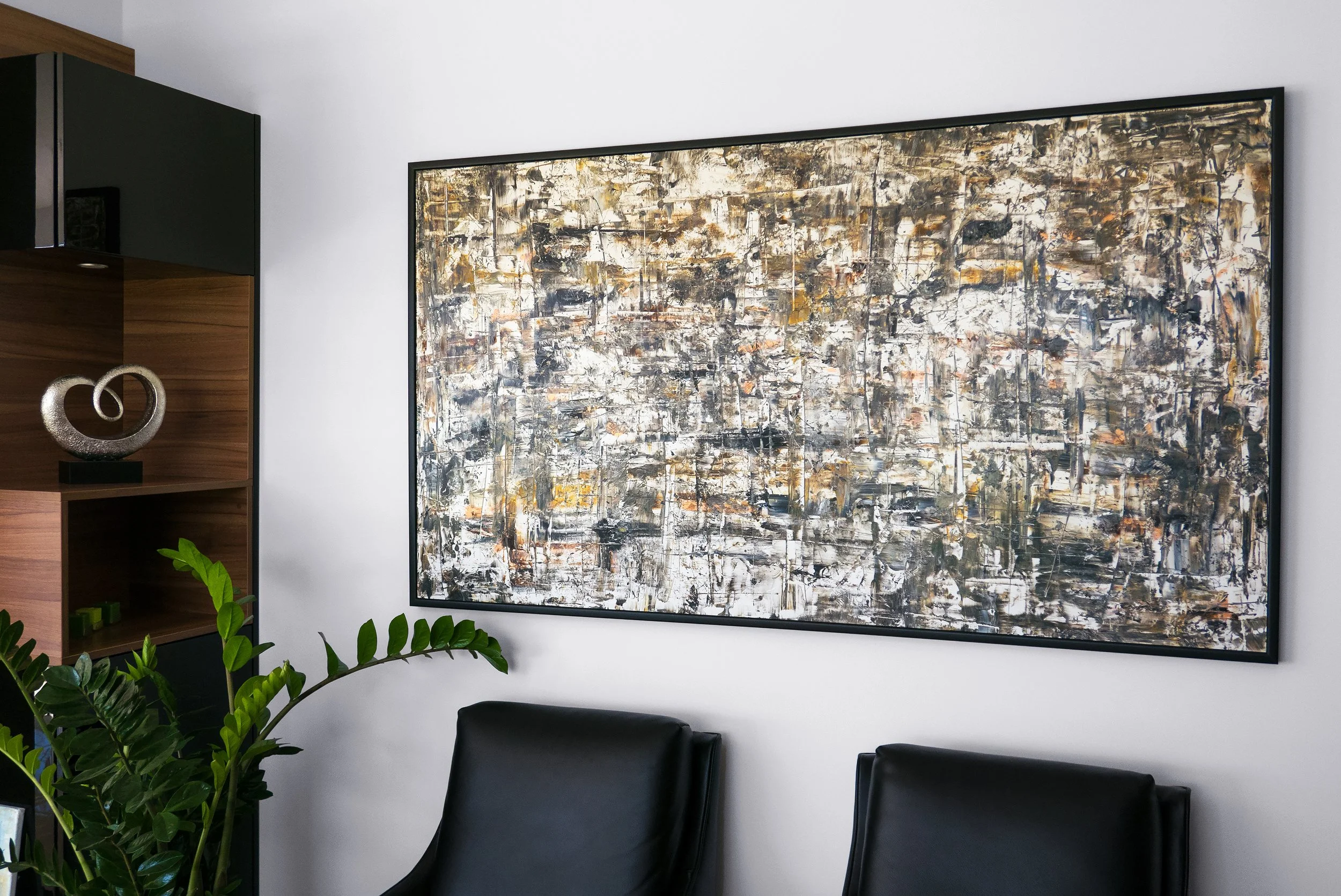
Why Horizontal Wall Art Expands Space
The human eye naturally follows lines. Vertical art draws the gaze upward, emphasizing ceiling height but often highlighting how narrow a wall is. In contrast, horizontal wall art shifts the focus to the side.
This continuous visual path prevents the eye from stopping abruptly, effectively "stretching" the perception of the wall.
Visual Stability: Horizontal lines suggest stability and calm, grounding the room’s energy.
The Horizon Effect: Panoramic prints and landscape compositions extend the visual field, mimicking a distant horizon. This aligns with the psychology of art, tricking the brain into perceiving more depth and openness.
Best Rooms to Utilize Horizontal Wall Art
Living Rooms:
Placing a substantial piece of horizontal wall art above a sofa anchors the seating area. The artwork should work in tandem with the furniture to expand the wall's visual width. A single, significant piece creates a clear focal point, eliminating the need for clutter—a vital strategy in modern, minimalist living rooms.
Small Bedrooms:
Above a headboard or dresser, horizontal wall art adds structure without "heaviness." It frames the furniture and supports a restful atmosphere. In smaller sleeping quarters, this orientation maintains harmony, avoiding the looming sensation that tall vertical pieces can sometimes create in tight spaces.
Narrow Hallways Hallways often suffer from a "tunnel effect." Using wide artwork counters this by pulling attention across the wall rather than down the corridor. Horizontal wall art visually opens the passage without requiring physical renovation.
Mastering Proportion and Placement
In smaller spaces, proportion is the difference between "curated" and "crowded."
Understanding how to frame and size art for your home is essential for achieving this balance.
The Two-Thirds Rule: A curator’s rule of thumb is to select artwork that covers approximately two-thirds of the width of the furniture piece below it. This ensures the art complements the setting rather than overpowering it.
Hanging Height: Adhere to gallery standards. The center of the artwork should sit roughly 57 to 60 inches from the floor. This keeps the visual weight grounded and aligns with the natural human gaze.
Negative Space: Avoid the mistake of filling every inch of wall space. Breathing room around the frame is essential for the artwork to feel intentional.
Styles That Maximize Space
Minimalist & Abstract: Clean compositions with neutral palettes reduce visual noise, making a room feel lighter.
Modern Landscapes: These prints act as "windows," adding artificial depth to a room that lacks it.
Black and White: Monochromatic art offers contrast without color saturation, reducing the piece's "weight" on the wall.
Presentation: Framing and Finish
The vessel is as important as the image. In compact rooms, heavy, ornate frames can feel suffocating.
The Modern Profile: Opt for thin, gallery-style frames to minimize visual bulk and keep the focus strictly on the art. If your budget allows for custom framing, a "floating frame" style can also add depth without weight.
Paper Selection: In smaller rooms where the viewer is close to the art, glare is a distraction. A museum-quality matte archival paper is superior here, as it absorbs light, ensuring the image remains visible from all angles.
Horizontal Wall Art vs. Gallery Walls
While gallery walls offer variety, they can quickly overwhelm a small room if not executed with extreme precision. A single piece of horizontal wall art offers clarity. It is visually quieter, easier to balance, and creates a more sophisticated, intentional finish for the modern collector.
How Haus of Collectors Curates for the Home
We believe that space limitations should never limit the quality of your collection. At Haus of Collectors, we move beyond mass selection to offer a curated experience that fits your architecture.
Open Editions: Accessible entry points into fine art collecting.
Limited Editions: Exclusive runs for the discerning collector.
Hand-Embellished: Unique statement pieces that bridge the gap between print and original painting.
Conclusion
Making a small space feel larger is not just about tricks of the eye. It is about selecting with purpose. Prioritizing scale, timeless composition, and museum-grade quality enables art to serve both as design and as a source of long-term value.
By choosing horizontal wall art that aligns with your architecture, you move beyond decoration and into intentional curation. At Haus of Collectors, each horizontal piece is selected to support modern interiors, helping transform compact spaces into thoughtfully curated environments.
FAQs
-
Yes. Horizontal wall art creates a visual line that guides the eye across the wall rather than up. This increases perceived width and improves visual balance, which helps small rooms feel more open and less confined.
-
In small spaces, horizontal wall art should usually cover about two-thirds of the wall or furniture width it sits above. This maintains proper scale and proportion while leaving enough negative space to keep the room from feeling crowded.
-
In most small rooms, one horizontal artwork works better. A single piece creates a clear focal point and uninterrupted visual flow, while multiple smaller pieces can break the horizontal line, making the space feel busier.
-
Minimalist, abstract, and panoramic horizontal wall art works best in modern small homes. These styles use clean compositions and open imagery, reducing visual clutter and supporting a calm, balanced interior.
-
Choose horizontal wall art with neutral colors, balanced composition, and timeless subject matter. This ensures long-term versatility and allows the artwork to adapt to different layouts, rooms, or interior styles over time.