How to Frame and Size Art for Your Home
Choosing the right art size and frame has a major impact on how your home looks and feels. Artwork that is too small can disappear on a wall, while oversized pieces can overwhelm a space if not placed thoughtfully. Correct sizing creates balance and makes your decor feel intentional rather than accidental.
Framing is just as important as the artwork itself. The right frame supports and protects the art while seamlessly blending with your interior style. A well-chosen frame can transform a simple print into a striking focal point.
In this guide, you will learn how to size, frame, place, and style artwork for different rooms in your home. The goal is to help you make confident decisions that enhance your wall decor and elevate your overall home aesthetics.
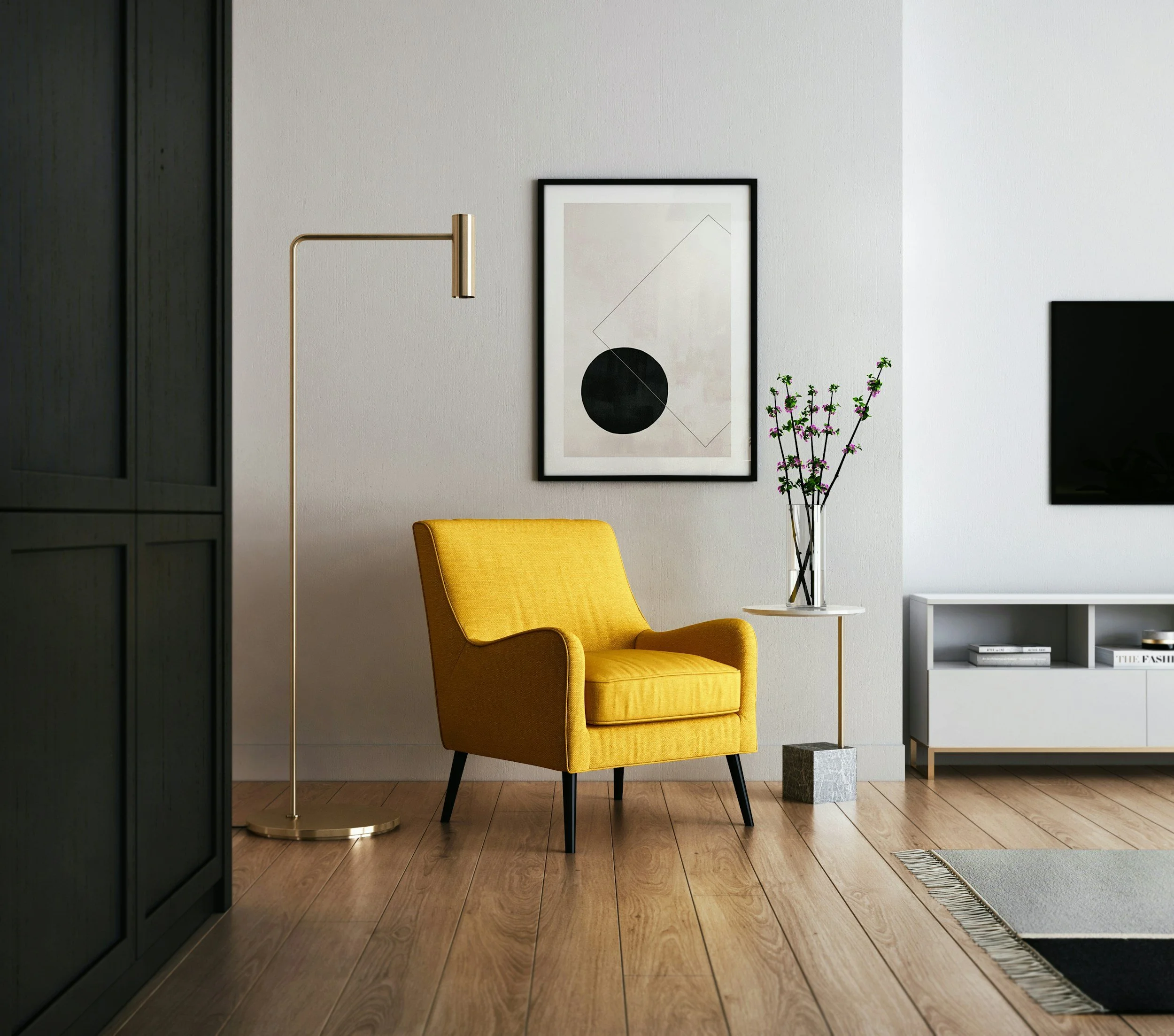
Why Art Size and Framing Matter for Your Home
Art size directly affects how a room looks and functions. Properly scaled wall art creates visual harmony and helps spaces feel complete rather than unfinished.
Incorrectly sized artwork can disrupt interior styling. Small art on large walls often feels disconnected, while oversized art in compact rooms can feel visually heavy. Maintaining the right proportions between artwork, furniture, and wall space helps establish balance.
Framing also plays a key role in visual cohesion. Frames act as a bridge between the artwork and the wall, helping define the focal point without overpowering the piece. The right frame enhances both the art and the surrounding space, contributing to a refined and cohesive home aesthetic.
How to Choose the Right Art Size for Your Wall
Choosing Art Size Based on Furniture Placement
Art Above Sofa, Bed, or Console Table
When hanging art above furniture, the artwork should be approximately two-thirds to three-quarters the width of the furniture below it. This proportion keeps the visual weight balanced and prevents the art from feeling undersized.
Artwork should typically be hung 6 to 8 inches above the furniture. Hanging art too high is one of the most common mistakes and can break the visual connection between the art and the room layout.
Avoid artwork that is wider than the furniture underneath. Oversized frames can dominate the space and make the room feel crowded.
Art for Empty Walls and Large Spaces
Large, empty walls require artwork that matches their scale. Small pieces often get lost on expansive surfaces.
Oversized artwork makes a bold statement, while gallery walls offer flexibility and are ideal if you plan to showcase multiple pieces together. Both approaches can work effectively when the artwork is sized and spaced correctly.
Standard Wall Art Sizes Explained

How to Frame Art for Your Home
| Frame Material | Visual Style | Best For | Key Benefits |
|---|---|---|---|
| Wood | Warm, classic, natural | Traditional, modern, organic interiors | Adds texture and warmth |
| Metal | Sleek, minimal | Modern, industrial spaces | Clean and contemporary look |
| Floating Frame | Modern and dimensional | Canvas art | Adds depth and separation |
| Custom Frame | Fully customizable | Any interior | Perfect fit and finish |
Matting and Mounting Artwork Correctly
When to Use a Mat
Mat boards create visual breathing room around artwork, helping it stand out without feeling cramped. Wider mats work best for smaller artwork, while medium-width mats suit larger pieces. Neutral mat colors are the safest option for long-term styling.
Floating vs Traditional Matting
Traditional matting places artwork behind a mat board and glass, making it ideal for prints, drawings, and photographs. Floating matting creates space between the artwork and the frame, highlighting texture and edges. This approach works well for modern and statement pieces.
Acrylic vs Glass for Framing Art
Acrylic Glazing
Acrylic is lightweight and shatter-resistant, making it ideal for large artwork or high-traffic areas. It also offers UV protection, helping prevent fading over time. Acrylic is a safer option for homes with children.
Glass Glazing
Glass provides a traditional look with excellent clarity and works well for smaller pieces and classic interiors. Although heavier than acrylic, glass is more scratch-resistant. The best choice depends on artwork size, location, and protection needs.
Room-by-Room Art Framing and Sizing Guide
Living Room Wall Art
Living rooms benefit from statement artwork or curated gallery walls. Art should generally be centered at eye level, around 57 to 60 inches from the floor. Consistent spacing between frames helps maintain visual flow and balance.
Bedroom Art Placement
Artwork above the bed should not exceed the width of the bed. Calm themes and softer colors are best suited for restful spaces. Position artwork slightly lower than in living rooms to maintain balance and intimacy.
Dining Room and Hallway Art
Vertical artwork works well in narrow spaces such as hallways. Series or triptych layouts create rhythm without adding clutter. In dining rooms, artwork should complement the scale of the furniture without overpowering the space.
How to Create a Gallery Wall at Home
Planning a Gallery Wall Layout
Grid layouts provide structure and symmetry, making them ideal for modern interiors. Organic layouts feel more relaxed and collected, working well in eclectic spaces. Spacing between frames should remain consistent, typically 2 to 3 inches, to maintain cohesion.
Mixing Art Sizes and Frames
Using consistent frame colors helps unify artwork of different styles and sizes. Balance bold pieces with subtler ones so no single artwork dominates the wall. Planning the layout before hanging ensures a polished result.
Common Art Framing and Sizing Mistakes to Avoid
Hanging artwork too high weakens its connection to furniture and people. Frames that overpower the artwork draw attention away from the art itself. Ignoring wall size and furniture proportions often leads to imbalance and visual clutter.
Final Tips for Styling Art in Your Home
Use artwork as a focal point to anchor a room. Rotate artwork seasonally to refresh your space without redecorating. Invest in quality framing to protect your art and maintain long-term visual appeal.
Conclusion
Choosing the right art size and frame improves balance, scale, and the overall aesthetics of your home. Thoughtful placement and proper framing help artwork feel intentional and cohesive within your space.
By understanding sizing guidelines, framing options, and room-specific considerations, you can confidently curate art that enhances your home. Explore curated art collections that suit your space and style, bringing your walls to life.
-
The correct size artwork should typically cover 60%–75% of the available wall space or furniture width below it. This ensures visual balance and prevents the art from looking too small or overpowering the room.
-
Artwork should be hung so the center of the piece is 57–60 inches from the floor, which is considered eye level. When placing art above furniture, leave 6–8 inches of space between the furniture and the frame.
-
Wall art should always be smaller than the furniture it’s placed above. Ideally, it should be about two-thirds to three-quarters the width of the sofa, bed, or console to maintain proper proportion.
-
Matting is not always required, but it helps create visual breathing room and enhances the artwork’s presentation. Matting is highly recommended for prints, photographs, and drawings, while canvas art often looks best without mats.
-
For modern interiors, metal frames, floating frames, and thin wood frames are the most popular choices. These frame styles offer a clean, minimal look that complements contemporary wall decor without overpowering the artwork.