
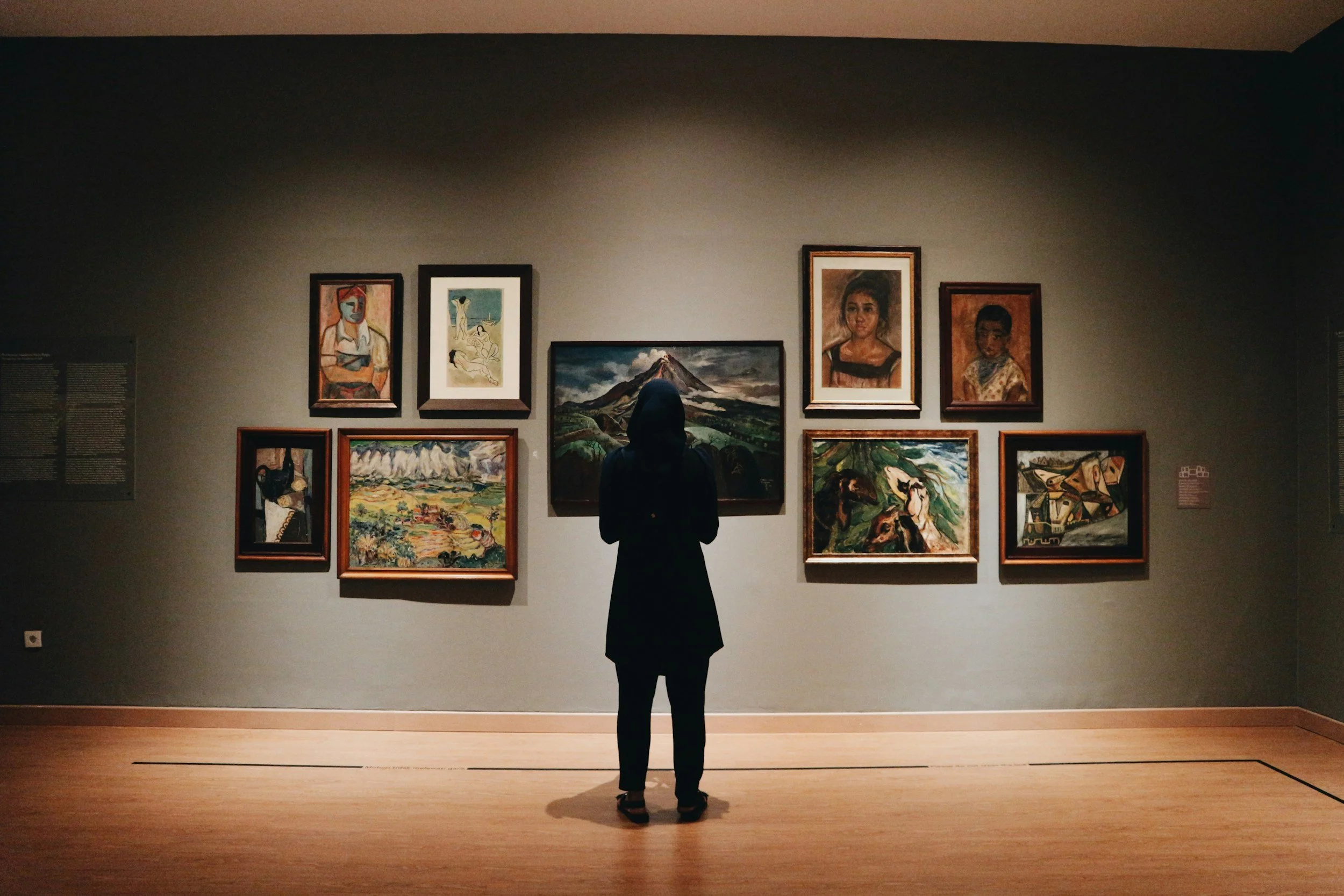
The Art Placement Guide: Where to Hang What
Art does more than fill a wall. It defines how a space feels, how it’s experienced, and how it reflects the person who lives with it. At Haus of Collectors, we approach art placement as a curatorial decision, one that brings balance, intention, and longevity to a space.
This guide offers foundational insight into placing artwork with confidence, helping collectors understand not just where art belongs, but why.
Art Placement as a Curatorial Practice
Hanging art is not about trends or rigid rules. It’s about understanding scale, proportion, and visual flow. The right artwork, placed with intention, creates presence without overpowering a room.
Before placing a piece, consider:
The scale of the wall and surrounding elements
The purpose and mood of the space
The relationship between art, furniture, and light
Art should feel integrated into a room's architecture, not added as decoration.
Room-by-Room Art Placement Guide
Bedroom Art Placement
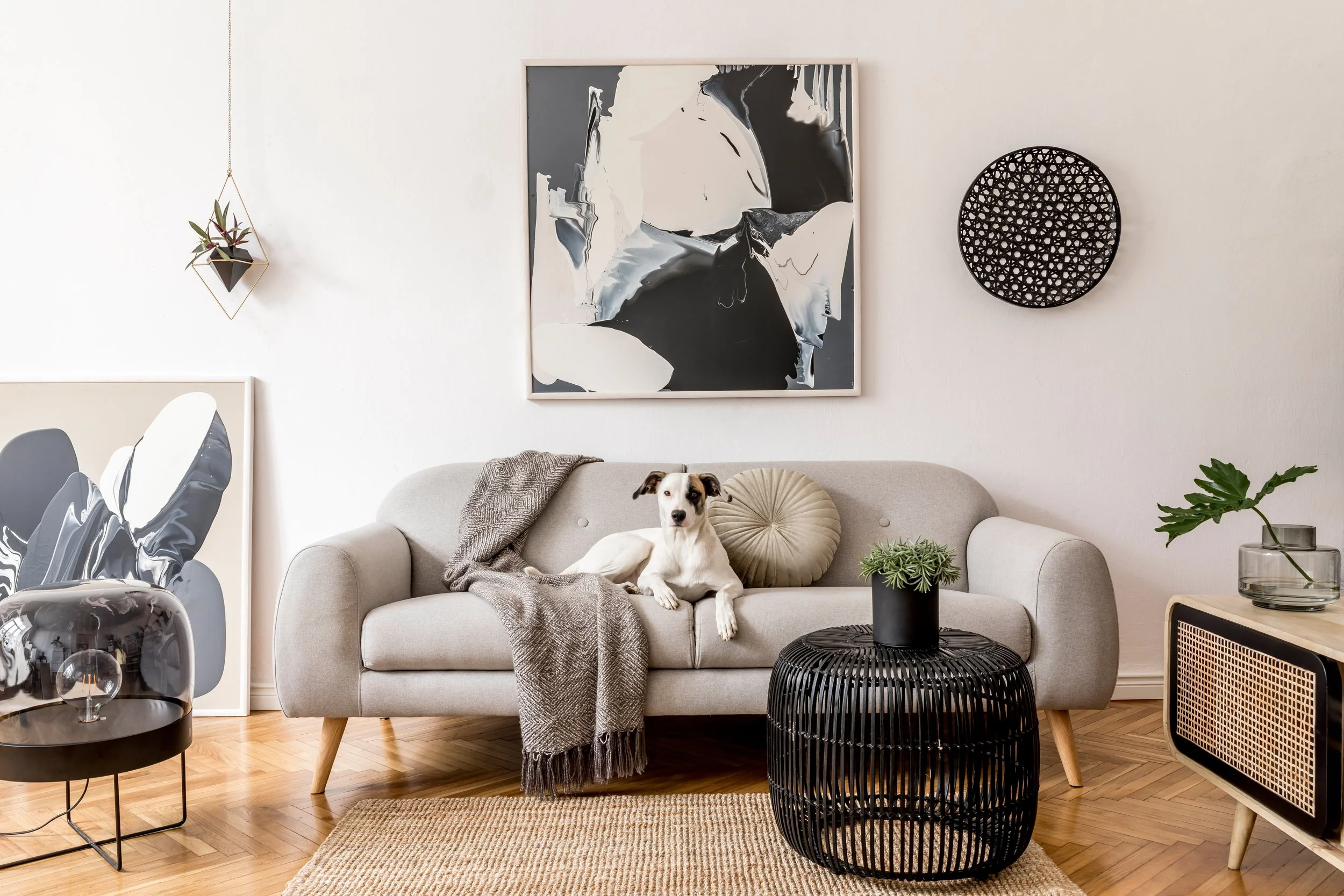
Bedrooms benefit from restraint and intention. Artwork here should support calm and personal expression rather than visual dominance.
Single works placed above the bed or along open walls tend to feel most natural. Minimal compositions, photography, and softer palettes work especially well in private spaces.
Negative space is essential; art should have room to breathe.
Living Room Art Placement
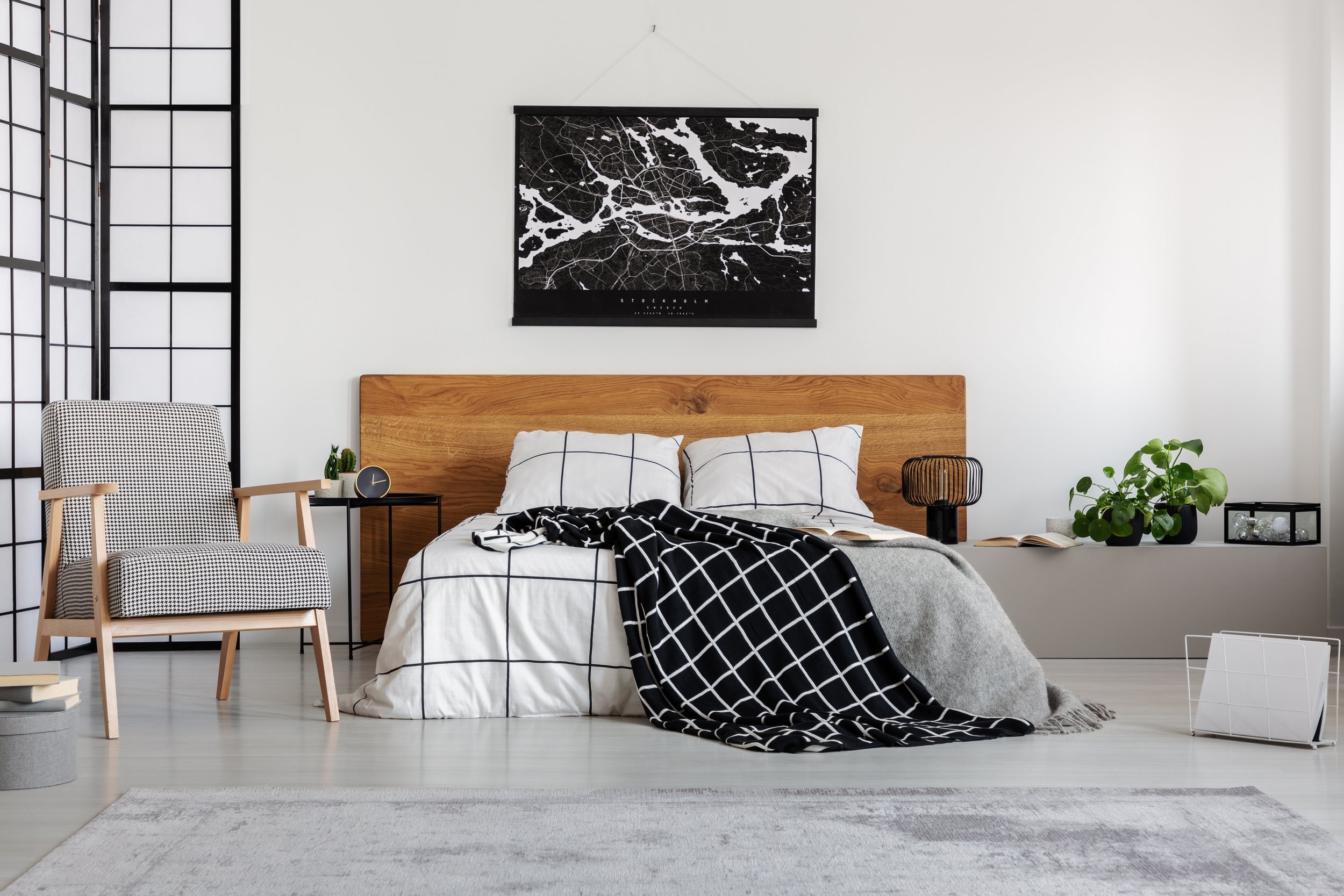
The living room is often the visual anchor of a home. Artwork in this space sets the tone for the entire interior. Statement works, and larger formats are best suited for primary walls, particularly above sofas or consoles. The artwork should relate proportionally to the furniture beneath it, creating visual balance rather than floating independently.
For layered interiors, a thoughtfully curated grouping of works can introduce rhythm without clutter.
Hallways & Entryways
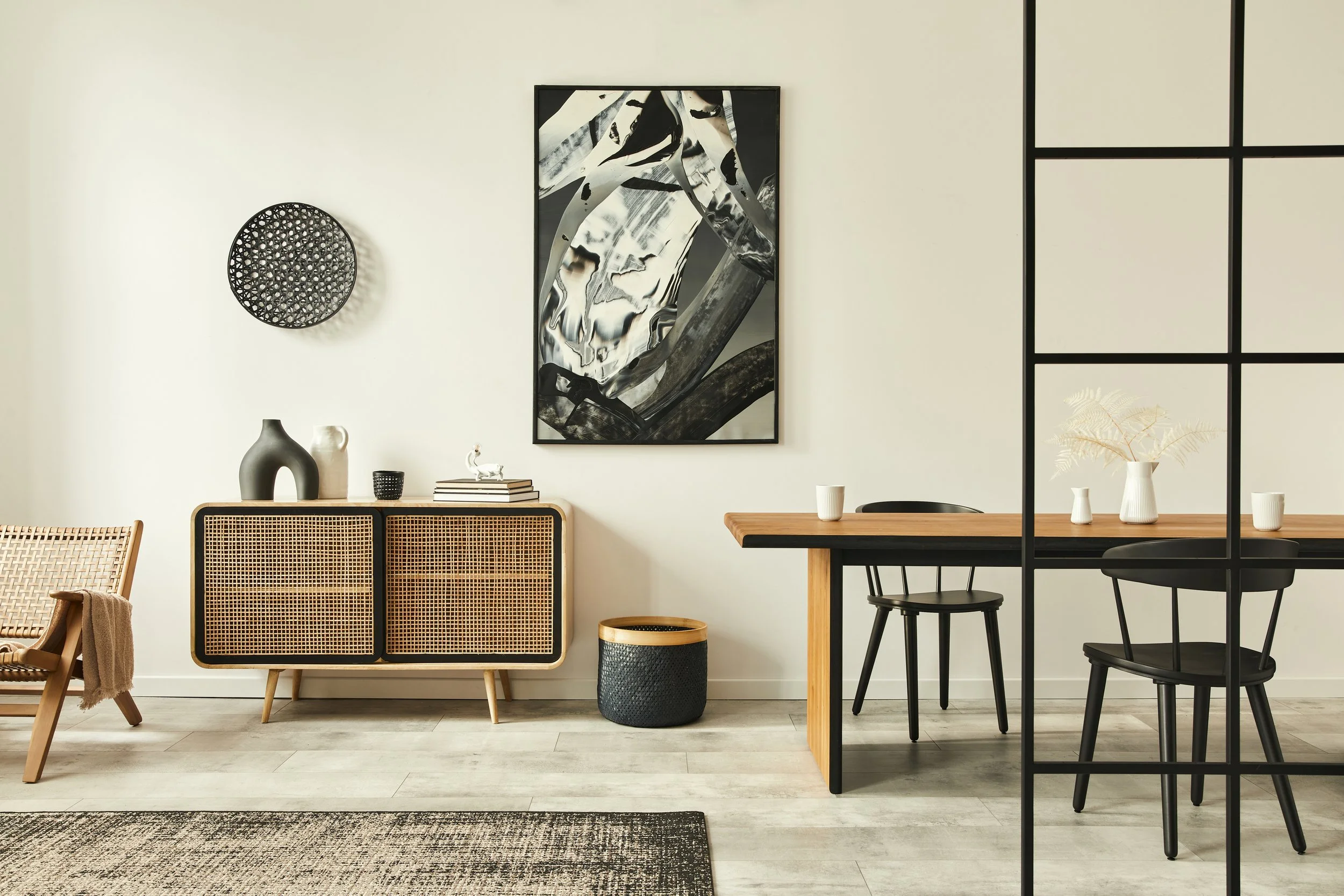
Transitional spaces offer powerful placement opportunities. Art here guides movement and sets expectations for the rest of the home.
Vertical works or linear groupings work particularly well in hallways, while entryways benefit from confident, welcoming pieces that create an immediate impression.
Limited editions and collector favorites feel especially at home in these spaces.
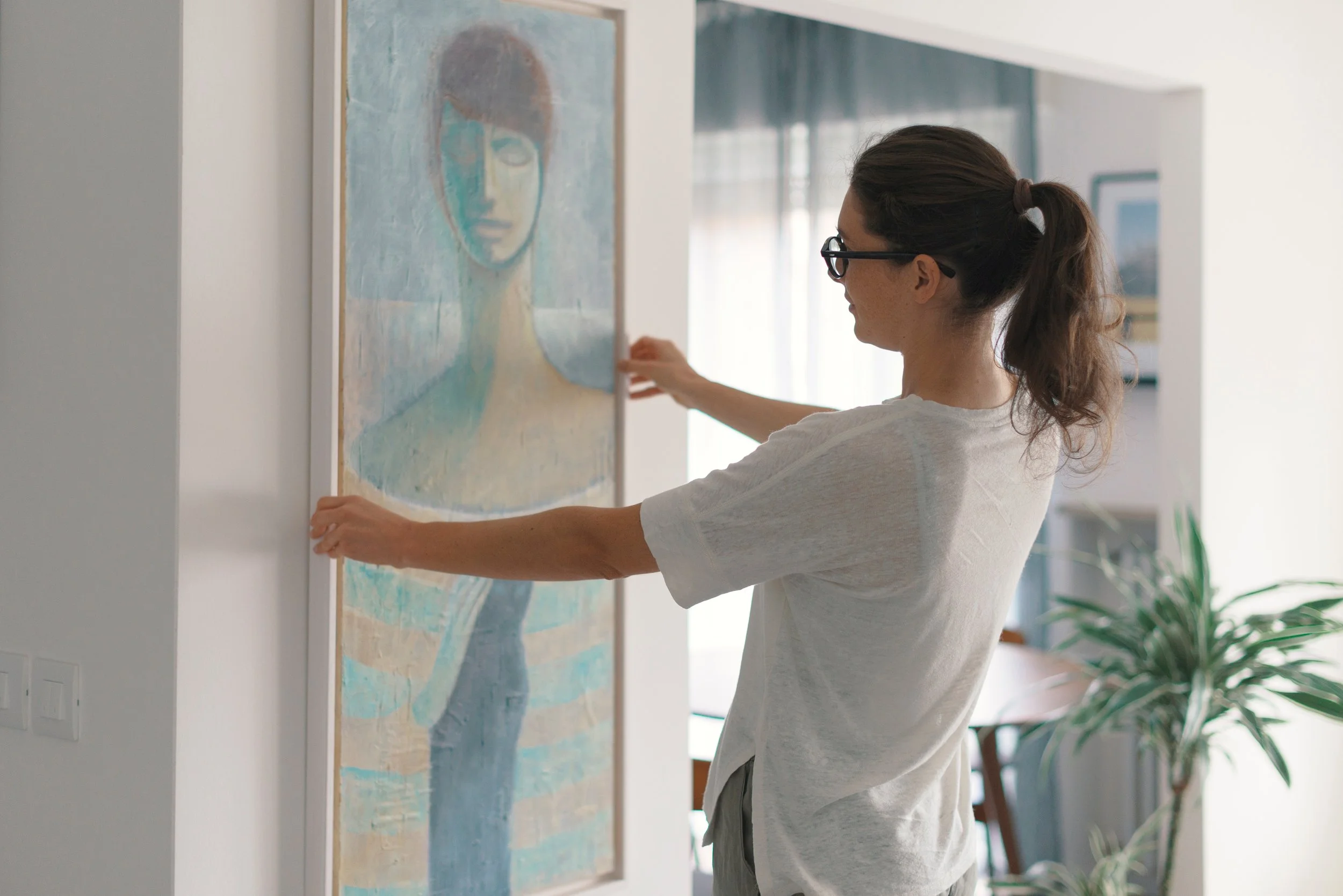
Dining Room Art Placement
Dining spaces invite conversation and atmosphere. Art in these areas should feel expressive yet composed.
Mid- to large-scale works perform well on uninterrupted walls, while more conceptual pieces can add character without overwhelming the space. Proper lighting ensures the artwork remains present without glare.
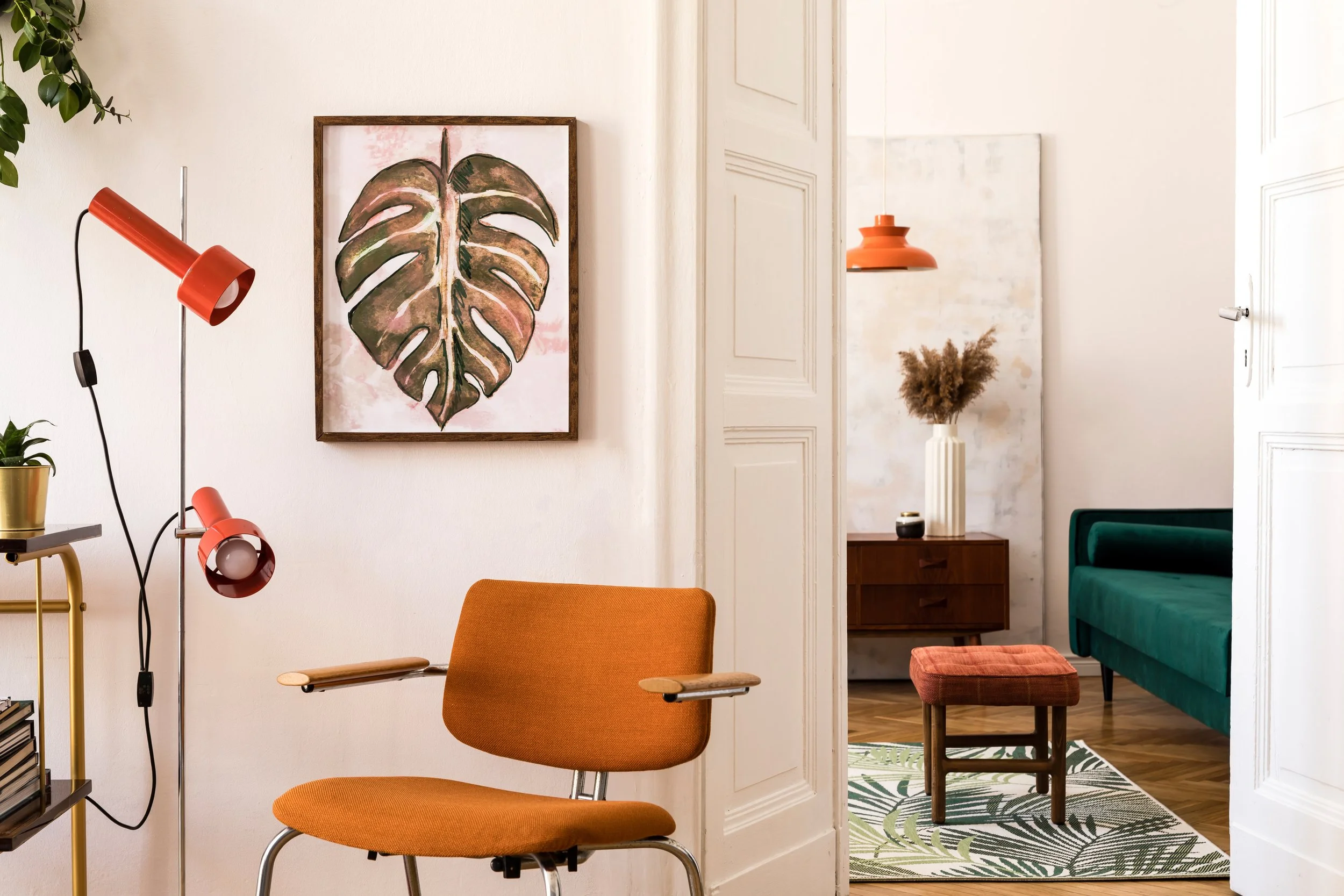
Office & Study Spaces
Artwork in workspaces should inspire focus and clarity. Clean compositions and concept-driven works are often best suited for these environments.
Placement should feel intentional and uncluttered, reinforcing productivity rather than distraction.
Art in a study functions as a quiet companion present, but not intrusive.
Height, Spacing & Visual Balance
One of the most common placement challenges is improper height or spacing.
As a guiding principle:
Artwork should align naturally with eye level.
Multiple works should feel connected, not scattered.
Spacing should allow each piece to stand on its own
Rather than relying solely on measurements, assess how the artwork feels within the space. Visual balance is intuitive, not mathematical.
Common Art Placement Mistakes to Avoid
Selecting artwork that is too small for the wall
Hanging pieces without reference to furniture
Overcrowding a space with too many works
Treating art as decoration rather than presence
Thoughtful placement ensures that even the most subtle piece carries impact.
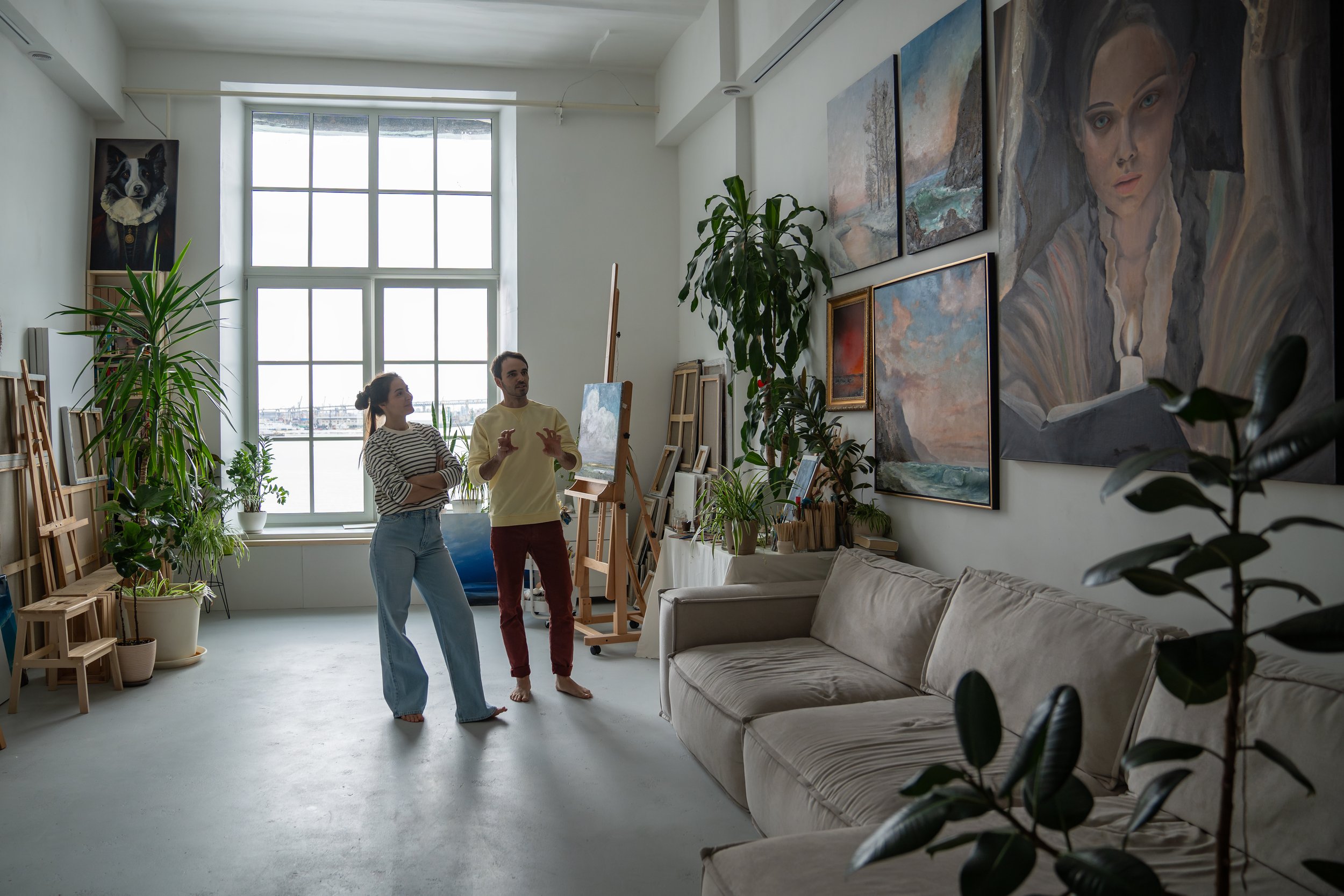
The Haus of Collectors Approach
At Haus of Collectors, we believe art is meant to be lived with. Placement is not about perfection; it’s about intention.
Our collections are curated with versatility, scale, and longevity in mind, allowing collectors to place works confidently across different rooms and evolving spaces.
Explore Art With Placement in Mind
Whether you’re building a collection or refining an existing space, understanding placement allows you to collect with clarity and confidence.
Explore Statement Prints
Discover Limited Edition Works
View Hand-Embellished Pieces
Shop Curated Collections
FAQs
-
Artwork should generally be hung so that its center aligns naturally with eye level. When placing art above furniture, the piece should feel visually connected to what sits beneath it rather than floating independently. The goal is balance, not rigid measurement.
-
The size of the artwork should relate to the scale of the wall and any surrounding furniture. Larger walls benefit from statement or large-format works, while smaller or transitional spaces often suit vertical or more compact pieces. When in doubt, choosing a piece that feels slightly larger tends to create a stronger presence.
-
Yes. Groupings can create visual rhythm when done intentionally. Multiple works should feel connected through spacing, alignment, or theme. Treat the grouping as a single visual unit rather than individual pieces placed independently.
-
Bedrooms call for a more restrained approach. Softer palettes, photography, minimal compositions, or single-focused works tend to support a calm and personal atmosphere without overwhelming the space.
-
Art placement is not permanent. As spaces evolve, artwork can move and take on new meaning in different contexts. Collecting art is an ongoing relationship, and placement should evolve with how you live.