
SHOP THE HAUS
NATURE & ORGANIC FORMS
Natural structures are translated through visual composition.
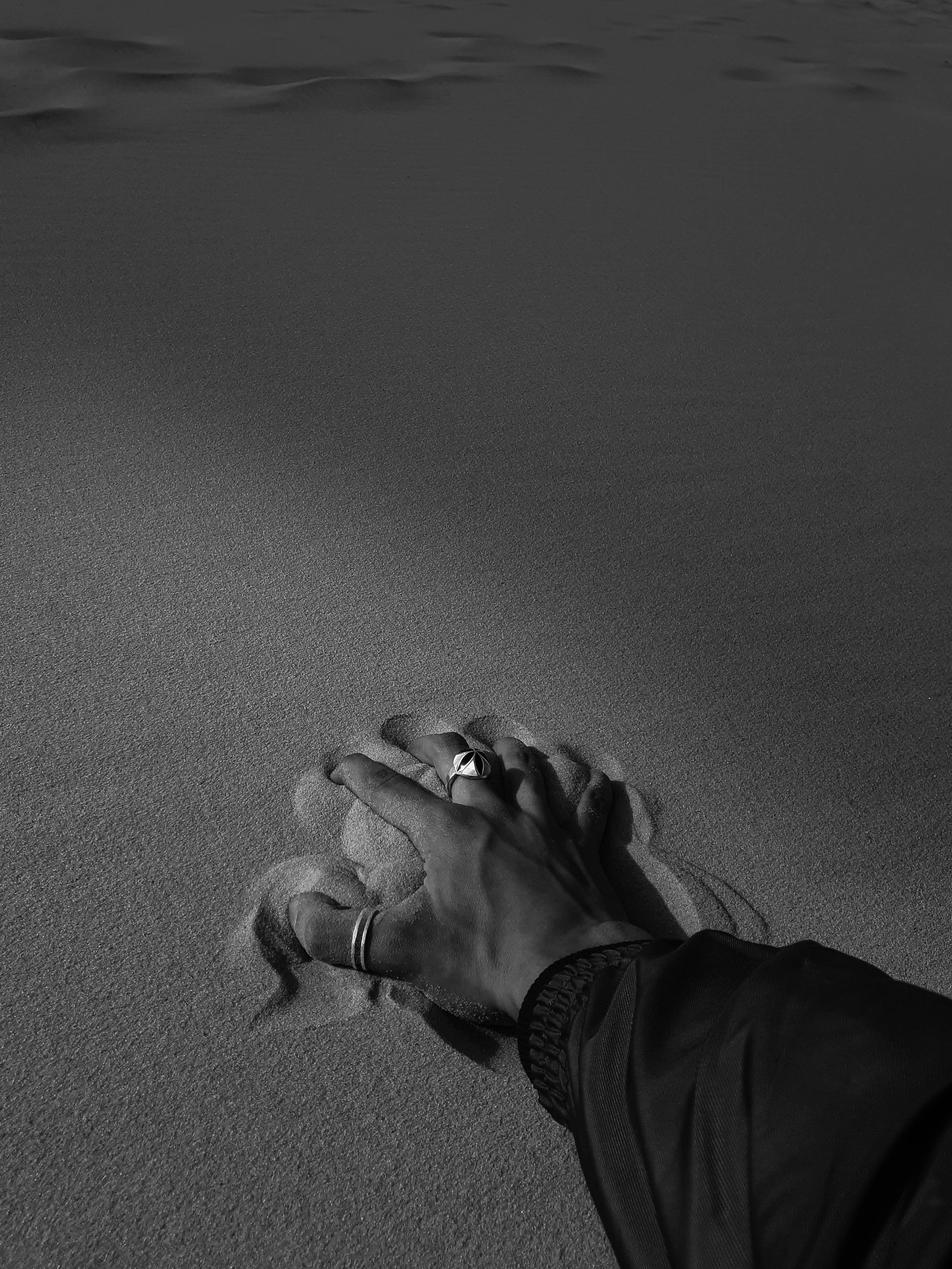
The Nature & Organic Forms collection translates biological patterns and raw environments into sophisticated visual structures. Our artists isolate the textures of plant biology and fluid geological strata, emphasizing organic growth and repetition. By reinterpreting these elements within a modern composition, we bring the rhythm of the natural world into your sanctuary.

The Philosophy of the Collection
In this collection, irregularity, variation, and progression dictate the form. Our artists employ fluid lines rather than rigid geometries to reflect natural systems, such as branching, cellular layering, and expansion. While some works remain close to recognizable flora, others push toward pure abstraction. We curate these pieces to capture the movement, density, and surface relationships of the earth, freeing the art from the constraints of literal representation.
QUALITY & EDITIONS: Archival Standards
We produce every print in the Nature & Organic Forms category to museum-grade standards, guaranteeing archival permanence for your collection.
The Materials: We exclusively utilize Archival Pigment Inks on heavy-weight, 100% Cotton Rag (Acid-Free) paper. This pairing delivers deep blacks, subtle tonal shifts, and longevity that resists fading for generations.
The Tiers: To support your curation journey, we offer works in three distinct tiers:
Open Edition: An accessible entry point for emerging collectors.
Limited Edition: Numbered and capped quantities that preserve rarity and investment value.
Hand-Embellished: Unique, bespoke prints featuring hand-applied textures or mixed media accents by the studio, bridging the gap between fine art print and original masterpiece.
Bringing the Outside In
Organic forms provide a necessary counterpoint to the hard architecture of a modern environment.
Softening Modern Spaces: Position fluid, organic compositions in rooms dominated by rigid materials, such as glass, steel, or polished concrete, to instantly introduce visual warmth and soften the atmosphere.
Proximity and Detail: Highly textured, intricate pieces, such as cellular or macro-botanical studies, reward close inspection. Display these in intimate spaces like private libraries, hallways, or executive home offices.
Tonal Harmony: Earth-toned organic works naturally bridge the gap between indoor and outdoor living. Use them to visually unify a primary living space with an adjacent garden or terrace.

FAQs for Nature & Organic Forms
-
Organic form works typically show traces of natural structure, such as irregular growth patterns, branching, or layered formations. Even when simplified, they often retain a sense of progression or variation that reflects natural systems rather than purely geometric or arbitrary composition.
-
It is useful to observe how repetition, variation, and flow are handled within the composition. Natural patterns rarely repeat uniformly, so differences in density, direction, or scale can indicate how the work reflects organic structure.
-
This depends on the level of detail in the work. More intricate compositions may reveal variation and texture when viewed closely, while broader, simplified forms can be understood from a distance through overall structure and movement.
-
Landscape works typically depict a full environment or scene, including depth and perspective. Organic forms work to isolate specific elements, such as textures, patterns, or natural structures, without representing a complete setting.
-
Yes. Because they are based on structure and pattern rather than specific subject matter, works in organic form can complement a range of styles, depending on how their scale, contrast, and visual density relate to surrounding pieces.