
SHOP THE HAUS
CONTEMPORARY FIGURATIVE
A touch, applied and never duplicated.
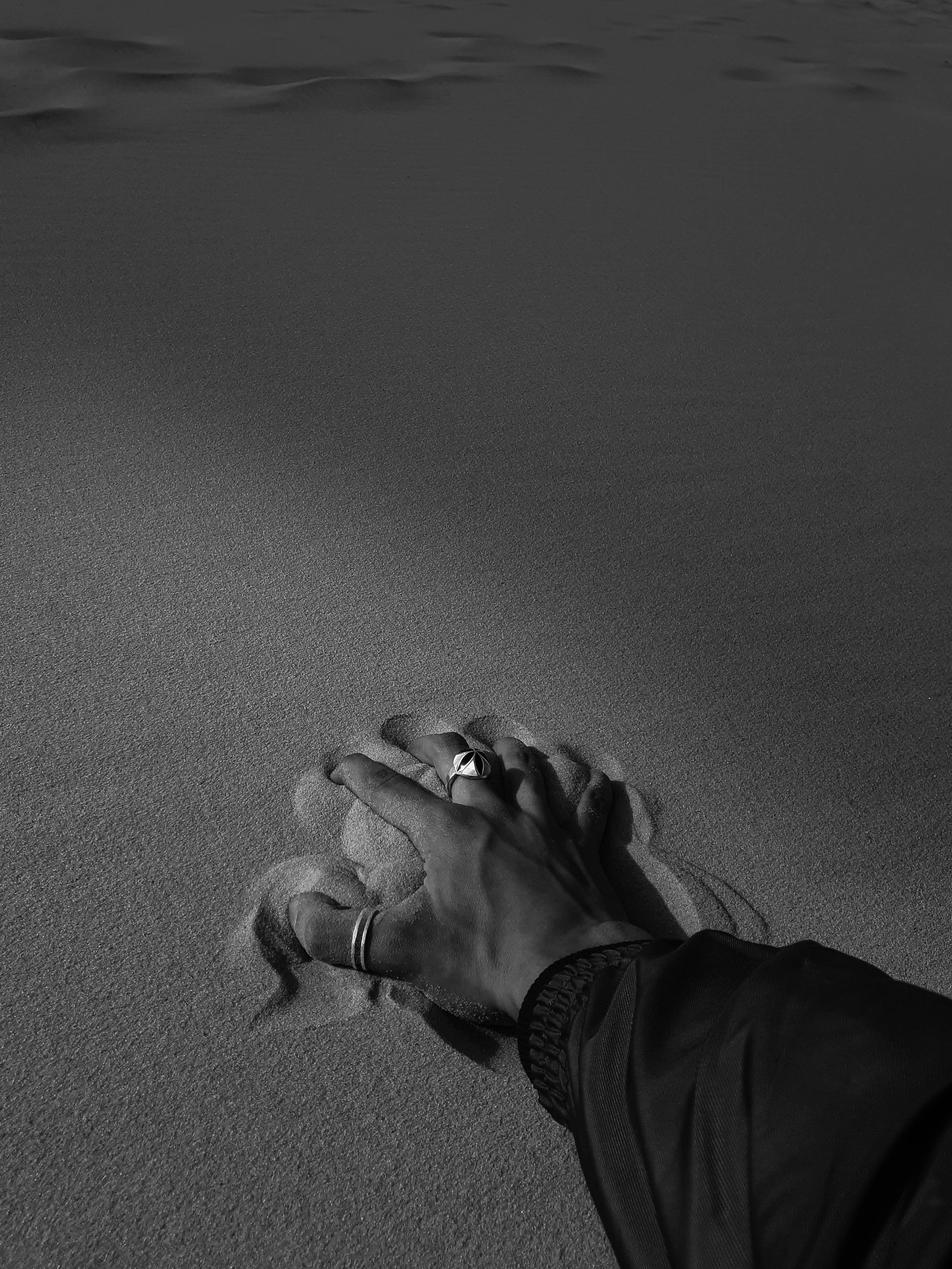
Contemporary Figurative works center on the human figure while moving beyond traditional realism. These prints explore form, gesture, and expression through modern approaches to composition, color, and abstraction.
Rather than as a strict representation, the figure is treated here as a visual structure that is fragmented, stylized, or reimagined. This category connects the viewer to the most recognizable subject matter in art history, yet filters it through a lens that is distinctly current, sophisticated, and open to interpretation.

The Philosophy: Structure Over Subject
In this collection, the body is approached as a compositional element rather than a literal subject. Artists may simplify or exaggerate form to emphasize balance, tension, or movement within the frame.
This approach allows the figure to operate within the broader visual language of the work, where proportion, line, and negative space tell the story. The result is work that feels personal without being specific art, inviting the viewer to project their own narrative onto the form.
QUALITY & EDITIONS
Every print in the Contemporary Figurative category is produced to museum-grade standards, ensuring your collection stands the test of time.
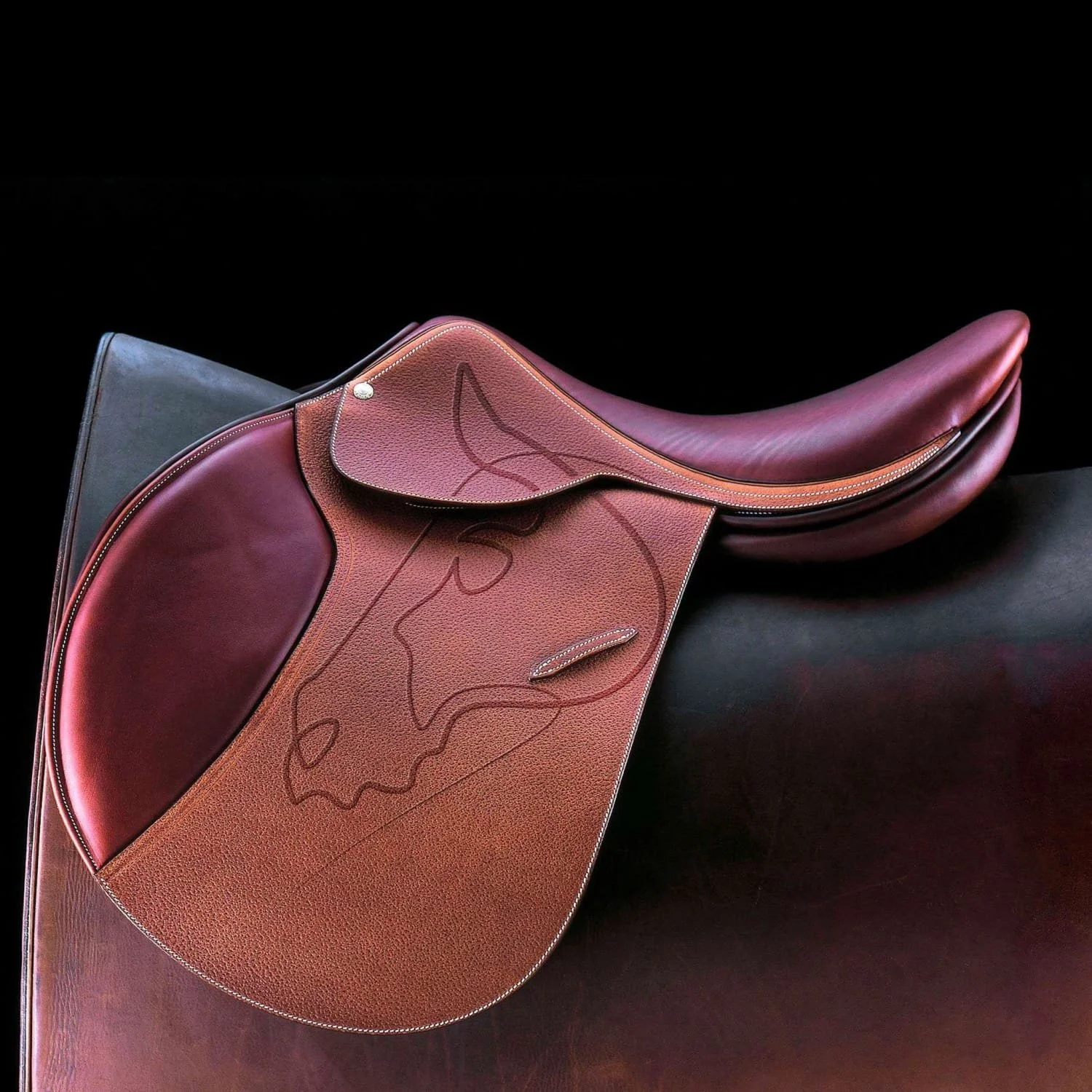
The Materials: We use exclusively Archival Pigment Inks on heavyweight, 100% Cotton Rag (Acid-Free) paper. This combination ensures deep blacks, rich colors, and longevity that resists fading for generations.
The Tiers: To support your journey as a collector, works are available in three distinct tiers:
Open Edition: An accessible entry point for new collectors.
Limited Edition: Numbered and capped quantities for rarity and investment value.
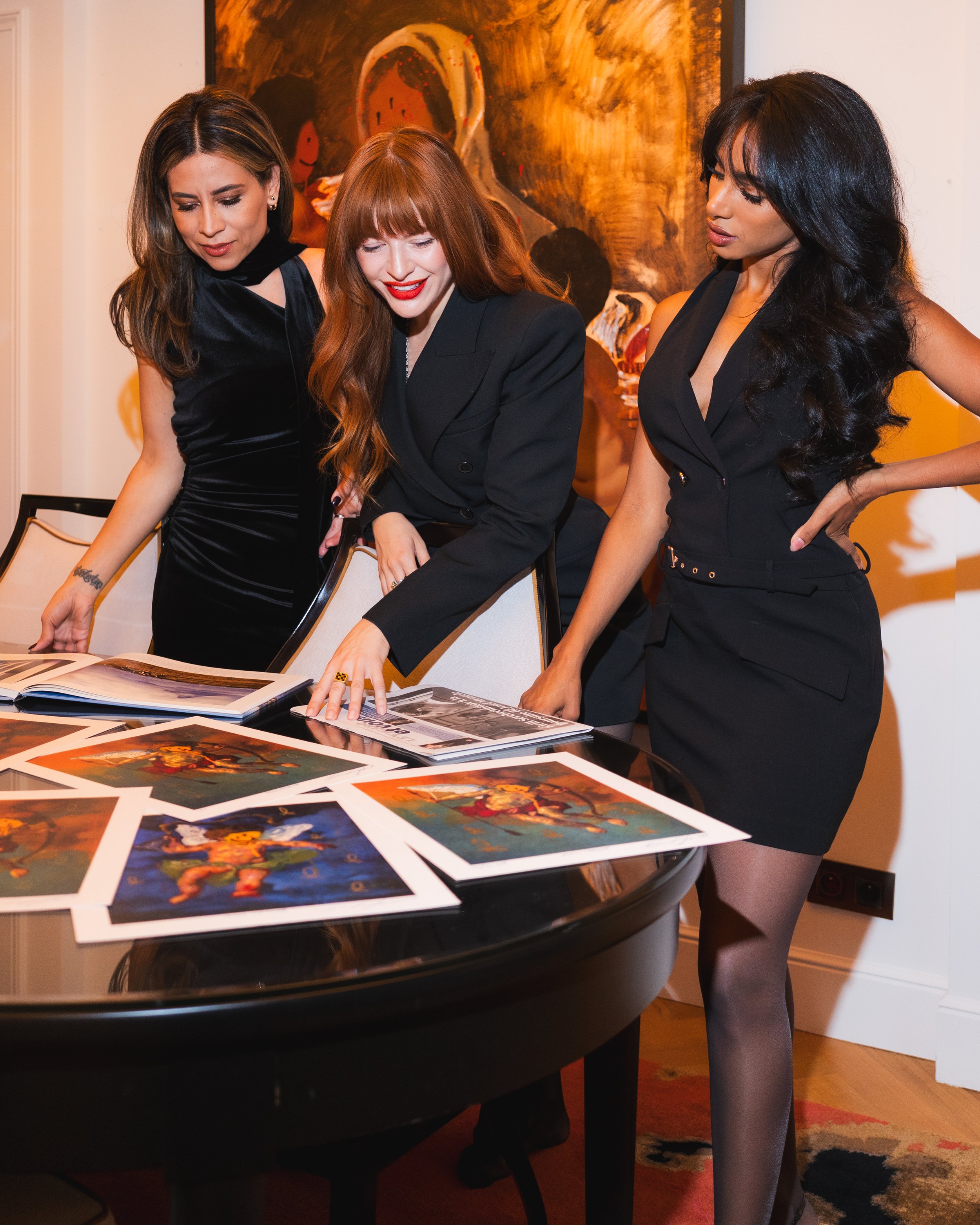
Hand-Embellished: Unique, one-of-a-kind prints featuring hand-applied textures or gold leaf by the studio, bridging the gap between print and original painting.
A Collector’s Guide: Assessing the Work
Evaluating figurative works often involves looking beyond representation and focusing on how form is treated within the composition. Variations in gesture, proportion, and surface detail can shift a piece's tone and impact.
Key considerations include:
Figure placement: How central, offset, or partially cropped compositions affect the visual weight.
Level of abstraction: Ranging from clearly defined forms to loosely suggested figures that invite interpretation.
Line quality: The way contours are emphasized or softened to suggest movement or stillness.
Scale and Presence: Because figurative imagery naturally draws the eye, larger formats tend to create a more substantial presence, while more smaller works suit intimate settings.
-
Contemporary figurative art prints depict the human form using modern artistic methods. While figures remain identifiable, artists often reinterpret anatomy, posture, or proportion to explore form and expression rather than realism.
-
Classical figurative art typically prioritizes accurate representation. Contemporary figurative work allows for experimentation, abstraction, and reinterpretation, using the figure as a flexible visual framework.
-
Size selection depends on available wall space, viewing distance, and the prominence the figure should have. Larger formats create a more substantial visual presence, while smaller works can suit more intimate settings.
-
Yes. Contemporary figurative prints may be offered as open, limited, or hand-embellished editions. Edition details, dimensions, and formats are listed on each product page.
-
These works are commonly placed in a range of environments, including residential and commercial spaces. Suitability depends on composition, scale, and visual weight rather than a specific interior style.