From Trend to Timeless: Choosing Art That Lasts
In the digital age, art consumption is often driven by algorithms. Social media feeds and fast-moving design cycles push specific aesthetics into popularity overnight, only for them to feel dated just as quickly. While these trends offer instant gratification, they rarely offer long-term value. Timeless art operates on a different frequency. It is not created to capture a moment, but to transcend it.
As you consider collecting, it's crucial to understand how to make choices that endure. With this in mind, let's explore what distinguishes timeless art from trend-driven work and how to buy art online with confidence.
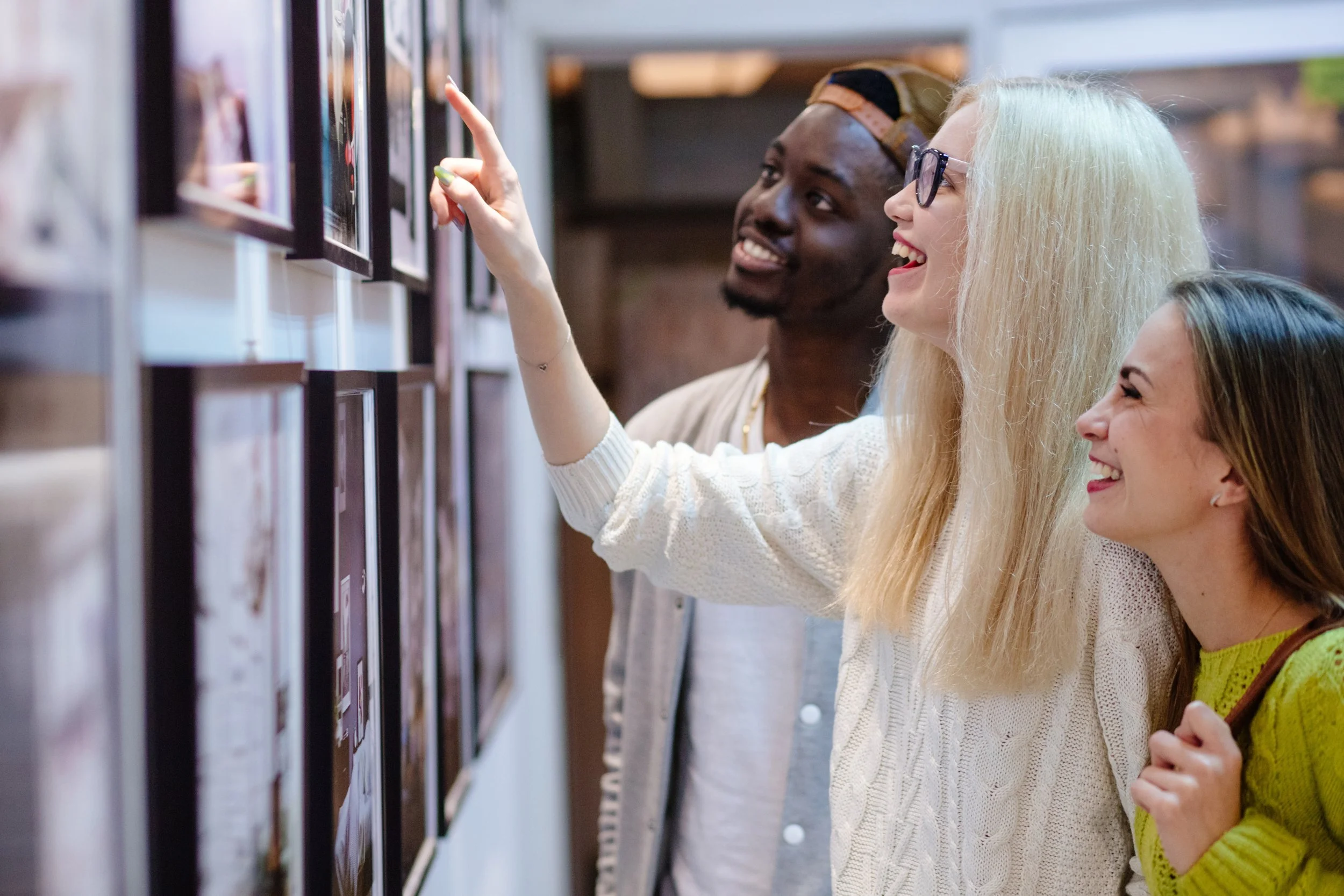
The Anatomy of "Timeless": Visual Integrity vs. Novelty
Trend-based art often relies on "novelty," a specific color palette (like the "Millennial Pink" of the 2010s) or a visual motif that dominates the market for a season. These pieces rely on external validation to feel relevant. Once the cycle shifts, the art loses its power.
Timeless artwork is grounded in visual integrity. It relies on fundamental design principles: balance, composition, and emotional depth. It does not shout for attention; it commands it quietly. Whether it is a minimalist abstract piece or a complex photographic narrative, timeless art engages the viewer intellectually and emotionally, independent of the current design zeitgeist.
Materiality: Why Quality is the Foundation of Longevity
Longevity is not just aesthetic; it is physical. A piece cannot be timeless if it fades, warps, or deteriorates.
The Science of Archival Quality. At the museum level, "quality" is a measurable standard.
The Paper: Standard papers contain acids that cause the paper to yellow and become brittle over time. Timeless prints must be created on acid-free archival paper. This ensures the "white" of the page remains pristine for generations.
The Ink: Dye-based inks (common in standard printing) fade when exposed to sunlight. A true fine art print uses archival pigment inks, which bond with the paper fibers to resist fading for 75 to 100+ years.
When you purchase art, you are investing in an object. Producing the object to museum-grade standards is the first step toward ensuring it lasts.
Choosing with Purpose: The "Emotional Audit"
The most sustainable way to collect art is to remove the "impulse" from the equation. Before acquiring a piece, we recommend performing a brief Emotional Audit:
Does this piece challenge me? Art that is purely decorative often fades into the background over time. Art that offers a slight challenge or complexity in texture, shadow, or subject remains engaging as you uncover new details over the years of viewing.
Is this a reflection of me, or my feed? Ask yourself if you are drawn to the work because it reflects your personal narrative, or because you have seen similar aesthetics repeated online. Personal resonance is the strongest predictor of long-term satisfaction.
Can I imagine this in my next home? Trends are often tied to specific room styles (e.g., "Farmhouse Chic"). Timeless art is versatile. It should feel just as relevant in a modern loft as it does in a traditional study.
Curating for Consistency: Haus of Collectors’ Approach
We believe that accessibility should not come at the cost of longevity. Every tier of our collection is curated with the future in mind.
Open Editions: Accessible and produced to archival standards for lasting quality.
Limited Editions: For the collector seeking scarcity. These pieces are capped at a specific number, ensuring that the artwork retains a rarity that can support value appreciation over time.
Hand-Embellished: The ultimate expression of uniqueness. These works bridge the gap between print and original painting, adding texture and human touch that machine reproduction cannot mimic.
Conscious Collecting as Sustainability
In a world of fast furniture and disposable decor, choosing art that lasts is an act of sustainability. "Slow collecting" buying fewer, better pieces reduces waste and supports a culture of appreciation rather than consumption.
An intentional collection is not built in a day. It accumulates slowly, allowing each piece to mark a moment in your life and create a visual biography on your walls.
Final Thoughts: Choosing Art With Intention, Not Urgency
Choosing art that lasts means valuing what endures beyond trends. Guided by visual integrity, material quality, and personal relevance, art becomes more than decoration; it becomes part of daily life. Timeless art rewards patience. Chosen with care, these pieces stay relevant as homes and tastes evolve, offering depth and meaning without relying on novelty.
At Haus of Collectors, this philosophy guides every collection. The focus is on what will remain visually and materially sound over time. Prioritizing archival quality and intentional selection helps collectors build enduring art collections. In a landscape shaped by speed and repetition, choosing art thoughtfully is a long-term investment. One that reflects who you are now and who you will continue to be.
FAQs
-
Choosing art that lasts starts with focusing on quality, composition, and personal relevance rather than trends. Timeless art relies on balance, material integrity, and emotional connection. If a piece feels meaningful beyond its visual appeal and works across different spaces, it is more likely to remain relevant in the long term.
-
Fine art prints are produced using archival materials such as acid-free paper and pigment-based inks. These materials resist fading, yellowing, and deterioration over time. Regular wall art often uses lower-grade papers and inks that degrade faster, reducing both visual quality and lifespan.
-
Limited-edition art can offer long-term value through controlled scarcity, but its longevity depends primarily on quality and craftsmanship. Open edition prints produced with museum-grade materials can also last for decades. The key difference lies in rarity, not durability.
-
Artwork that works long-term is versatile in scale, color, and composition. Neutral or balanced palettes adapt more easily to changing interiors. Choosing art that complements your lifestyle rather than a specific design trend increases its ability to evolve with your space.
-
Intentional art collecting reduces frequent replacement and unnecessary consumption. Selecting fewer, high-quality pieces that last supports sustainability by minimizing waste and encouraging long-term appreciation. Longevity in art is a practical form of conscious collecting.