The Return of Figurative Art: Why It’s Replacing Abstract in Living Rooms
For the better part of a decade, modern interiors have been dominated by the quiet neutrality of abstract art. Swaths of color, geometric shapes, and fluid forms provided the perfect, safe backdrop for minimalist living rooms.
But a profound shift is happening in contemporary design. Homeowners and collectors are actively moving away from purely abstract compositions and returning to the power of the human form. Figurative art, which features people, expressive gestures, and recognizable subjects, is experiencing a massive resurgence.
This shift is not merely a passing design trend; it reflects a deeper cultural need for connection. In today’s living spaces, art is no longer just a decorative afterthought meant to match the sofa. It is a vital representation of identity, emotion, and lived experience.
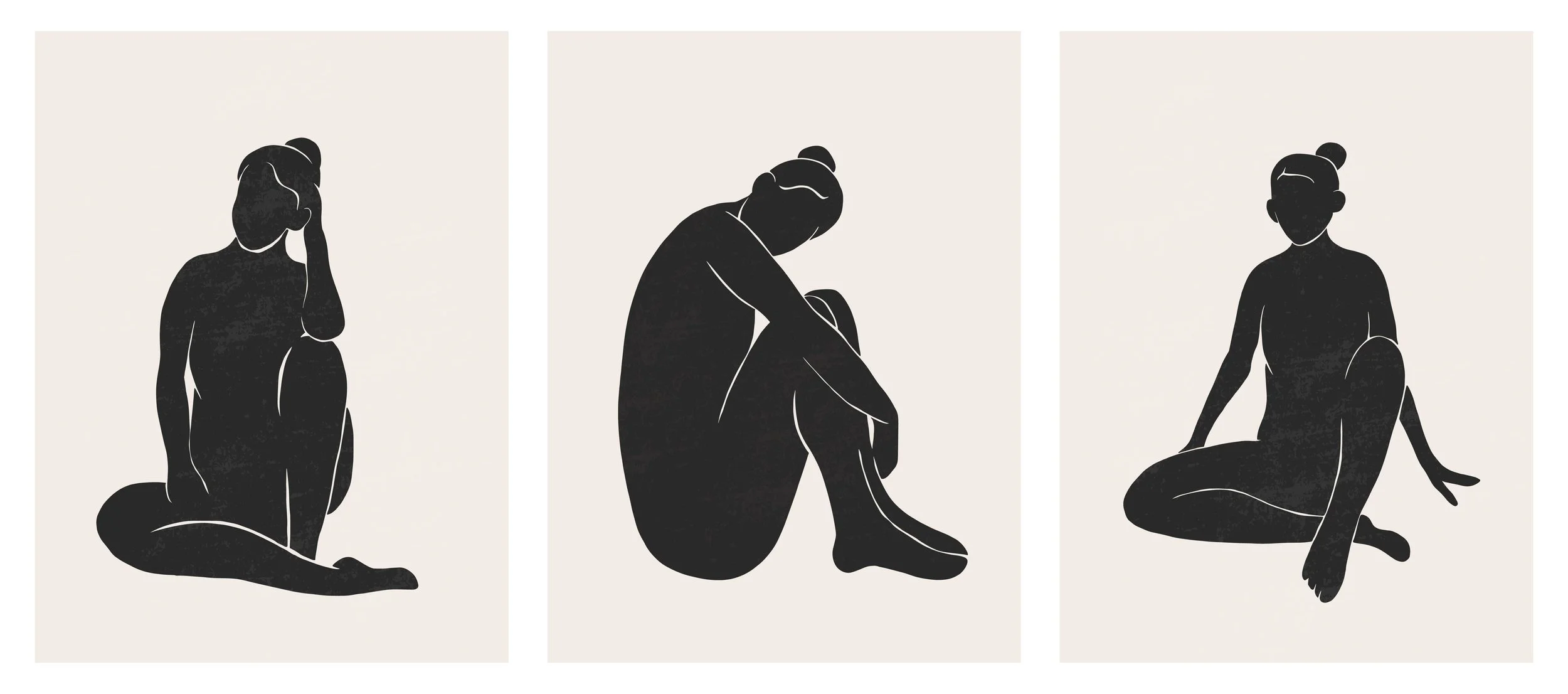
What Is Figurative Art? A Clear Definition for Modern Collectors
At its core, figurative art is anchored in reality. While it most often focuses on the human figure, it encompasses any artwork that represents a clearly recognizable subject.
This does not mean figurative art is strictly photorealistic. It spans a massive spectrum from hyper-realistic classical portraiture to highly stylized, expressive contemporary forms. The key distinction is that, unlike non-representational abstract art, which prioritizes shape and color over subject, figurative painting maintains a visible, tangible link to the real world.
For the modern collector, this link is crucial—figurative art grounds a room, offering a clear narrative and an immediate emotional touchstone.
Figurative Art vs Abstract Art: Understanding the Difference
The difference between the two styles ultimately comes down to how they communicate with the viewer.
| Feature | Figurative Art | Abstract Art |
|---|---|---|
| How It Communicates | Speaks directly through human presence, posture, facial cues, and recognizable context. | Sets a mood through composition, color theory, shapes, and fluid forms. |
| Viewer Experience | Creates an instant, visceral emotional response and activates empathy. | Inherently open to a wide, highly subjective interpretation. |
| Role in Your Home | Acts as the narrative anchor; it defines the soul of the room. | Acts as a harmonious backdrop, beautifully complementing the aesthetic. |
The Evolution of Figurative Painting in Contemporary Interiors
Figurative art has been the cornerstone of human expression for centuries. What is changing today is its specific role in modern interior design.
In the early 2000s, the rise of stark minimalism pushed figurative works out of living spaces and into formal galleries, replaced by massive, neutral abstract canvases. Today, designers are actively reintroducing the human form to balance out the clean, sometimes sterile architecture of modern homes. The result is an interior that feels sophisticated, yet deeply personal and undeniably human.
Why Figurative Imagery Connects More Deeply Than Pure Abstraction
We are biologically hardwired to connect with the human form. Neuroscience shows that our brains respond more quickly and more intensely to faces and body language than to any other visual stimuli.
Figurative imagery immediately activates empathy. A bold portrait or an expressive, stylized figure invites the viewer to project their own emotions onto the canvas. This is why figurative art often feels so much more intimate than an abstract print. It acts as a mirror to our own lived experiences, creating a silent, ongoing dialogue between the artwork and the observer.
Why Figurative Art Is Replacing Abstract in Living Rooms?
1. Emotional Connection and Storytelling
A single figurative painting can convey vulnerability, quiet strength, deep intimacy, or profound solitude. This storytelling capacity transforms a blank wall into a focal point with genuine emotional depth. In modern living room decor, this connection is increasingly valued over decorative neutrality.
2. A Shift Toward Personal and Meaningful Interiors
Homes are no longer viewed merely as investments or showrooms; they are sacred extensions of our identity. Rather than choosing art solely for color coordination, collectors are intentionally selecting pieces that reflect their personal values and inner lives.
3. Post-Digital Fatigue and the Return to Human Subjects
We spend our days staring at digital screens and highly curated, artificial feeds. As a direct response, we are craving physical, human-centered environments. Figurative art reintroduces the raw, physical presence of the human body into our homes, countering digital saturation with necessary emotional realism.
4. Figurative Art as a Statement Piece
Large-scale figurative paintings naturally command attention. A bold portrait or an expressive composition functions as the ultimate statement piece, expertly anchoring furniture layouts and dictating the mood of the entire room far more effectively than a background abstract.
5. Cultural and Design Trends Supporting Human-Centered Art
Contemporary culture is hyper-focused on identity, diversity, and representation. Human-centered art inherently reflects these values, aligning perfectly with a modern art market that champions narrative depth over purely decorative aesthetics.
Interior Design Trends Driving the Rise of Figurative Wall Art
Warm Minimalism and Expressive Spaces
The current trend of "warm minimalism" combines clean architectural lines with organic, tactile textures. In these spaces, figurative wall art provides the perfect emotional contrast. The soft, recognizable lines of the human form prevent neutral palettes and structured furniture from feeling cold or sterile.
Layered Textures and Narrative Walls
Modern living rooms are embracing layered, curated aesthetics. Designers are combining raw textiles, warm woods, and ceramics with expressive artwork to build "narrative walls." Figurative pieces are the crown jewels of these arrangements, adding a vital storytelling dimension that ties the room together.
Gallery Walls Featuring Figurative Prints
Gallery walls are evolving. Instead of a chaotic mix of abstract shapes, designers are now building highly curated walls anchored by a strong figurative portrait. This approach creates thematic unity and striking visual cohesion, even when mixing different frame styles and sizes.
Why Designers Are Choosing Figurative Prints Over Abstract
Simply put: human subjects offer a greater emotional return on investment. While an abstract piece might nicely complement a rug, a figurative print will start a conversation. It becomes an identity marker for the homeowner. In 2026, relatability and emotional resonance are the ultimate luxuries in home design.
Figurative Art and the Psychology of Home Spaces
How Human Forms Create Relatability
When placed thoughtfully in a living room, figurative art creates a subconscious sense of companionship and warmth. This psychological relatability makes a large, empty room feel inviting and lived-in.
Art That Reflects Identity and Lifestyle
Selecting a contemporary figurative piece is a signal. It demonstrates an appreciation for culture, complex emotion, and bold representation. It elevates the home from a decorated space into a visual biography.
Mood Enhancement Through Expressive Portraits
The emotional tone of a portrait dictates the room's atmosphere. A softly painted, introspective figure can bring immense calm to a busy space, while a vibrant, dynamic pose can inject vital energy into a sluggish room.
Limited Edition Figurative Prints vs Abstract Prints
As the demand for figurative art rises, collectors are analyzing these works not just for their aesthetic value but for their investment potential.
Investment Value and Collector Appeal
For the serious contemporary art collector, figurative editions are highly sought after because they beautifully merge narrative depth with structured collectibility. The subject matter of human emotion never goes out of style.
Scarcity and Exclusivity in Figurative Editions
A Limited Edition figurative print from Haus of Collectors is strictly numbered and authenticated. This scarcity naturally increases its perceived and market value over time, making it a brilliant addition to a growing collection.
Why Figurative Limited Editions Are Trending
Collectors want art that makes a statement while holding its value. They are increasingly turning away from mass-produced abstract canvases and investing in the exclusivity and emotional power of Limited Edition figurative works.
How to Style Figurative Art in a Modern Living Room
Choosing the Right Size and Scale
To ensure your figurative piece commands the room, respect proportion. Artwork hung above a sofa should span roughly two-thirds of the sofa's width. An oversized figurative print creates breathtaking drama, while smaller works are perfect for intimate reading nooks or layered gallery walls.
Framing Options for Figurative Prints
Museum-quality prints demand museum-quality presentation. Simple, high-quality frames in natural wood or matte black emphasize the human subject without distraction. Floating frames are particularly effective for giving contemporary figurative art a sophisticated, gallery-ready finish.
Placement Tips for Maximum Impact
To maximize the emotional impact of your figurative art:
Hang the piece at natural eye level (typically 57 to 60 inches from the floor to the center of the artwork).
Align the frame with the edges of your foundational furniture to create visual cohesion.
Give the artwork "breathing room." Do not crowd a bold portrait with too many competing accessories.
Mixing Figurative and Abstract Art
You do not have to choose just one style. Pairing a dominant figurative piece with a subtle, complementary abstract print creates brilliant high-end contrast, adding profound depth to your collection while maintaining harmony.
Why Contemporary Collectors Are Choosing Figurative Art in 2026?
Market Trends and Buyer Preferences
The contemporary art market is speaking clearly: buyers want narrative-driven works. The modern collector prioritizes authenticity and storytelling far above purely decorative, background pieces.
Social Media Influence on Art Selection
Visual storytelling rules digital platforms. Striking, human-focused compositions perform incredibly well, influencing how new collectors discover artists and ultimately choose the pieces they bring into their homes.
The Rise of Emerging Figurative Artists
A thrilling new generation of artists is exploring modern identity, diverse culture, and complex human emotion through the figurative lens. This explosion of talent is making powerful, contemporary figurative art more accessible to collectors than ever before.
The Haus of Collectors' Perspective on Figurative Art
At Haus of Collectors, we believe your walls should reflect your humanity. We curate our figurative pieces with great intention, ensuring they have the emotional impact to elevate a refined, modern interior.
Whether you are seeking the accessible beauty of our Open Editions, the structured exclusivity of our Limited Editions, or the deeply tactile experience of our Hand-Embellished works, every piece is produced on archival art paper using premium pigment inks.
Building a meaningful art collection starts with choosing work that reflects your own narrative. Explore our curated figurative collections today and bring the human element back into your home.
Frequently Asked Questions
-
The artist's reputation ultimately determines value, the edition size, and market demand. However, because figurative art relies on deeply relatable human emotion, Limited Edition figurative works often experience very strong, sustained cultural relevance and collector demand.
-
Absolutely. In fact, it is the perfect antidote to the coldness of ultra-modern design. Figurative art integrates seamlessly into contemporary spaces, adding necessary warmth, softness, and a compelling narrative focus.
-
A print becomes collectible through structured scarcity (such as a strictly Limited Edition run), the reputation of the living artist, the use of museum-quality archival materials, and the enduring thematic relevance of the artwork itself.
-
Focus on the emotion you want the room to project. Consider the scale of your walls, your existing color palette, and the piece's mood. Most importantly, select a figure or portrait that genuinely resonates with your own personal identity.
-
Yes, particularly when they are produced as high-quality, museum-grade fine art prints with strictly controlled editions. They offer a beautiful balance of immediate emotional enjoyment and long-term market appeal.