How to Choose Art That Matches Your Mood, Not Just Your Couch
For decades, the standard rule of interior decorating was simple: match the art to the furniture. If the sofa is beige, the artwork must feature beige undertones. If the rug is navy blue, the print should tie the room together with navy accents.
While this approach creates a visually safe and consistent room, it rarely creates an emotional impact. Your home should not feel like a staged furniture showroom.
The modern collector shifts the focus from simple color coordination to profound emotional connection. Instead of asking, “Does this match my couch?” the question becomes, “How does this piece make me feel?” When art is selected with the intention to reflect your identity, experiences, and inner life, it transforms a space from merely decorated to deeply meaningful.
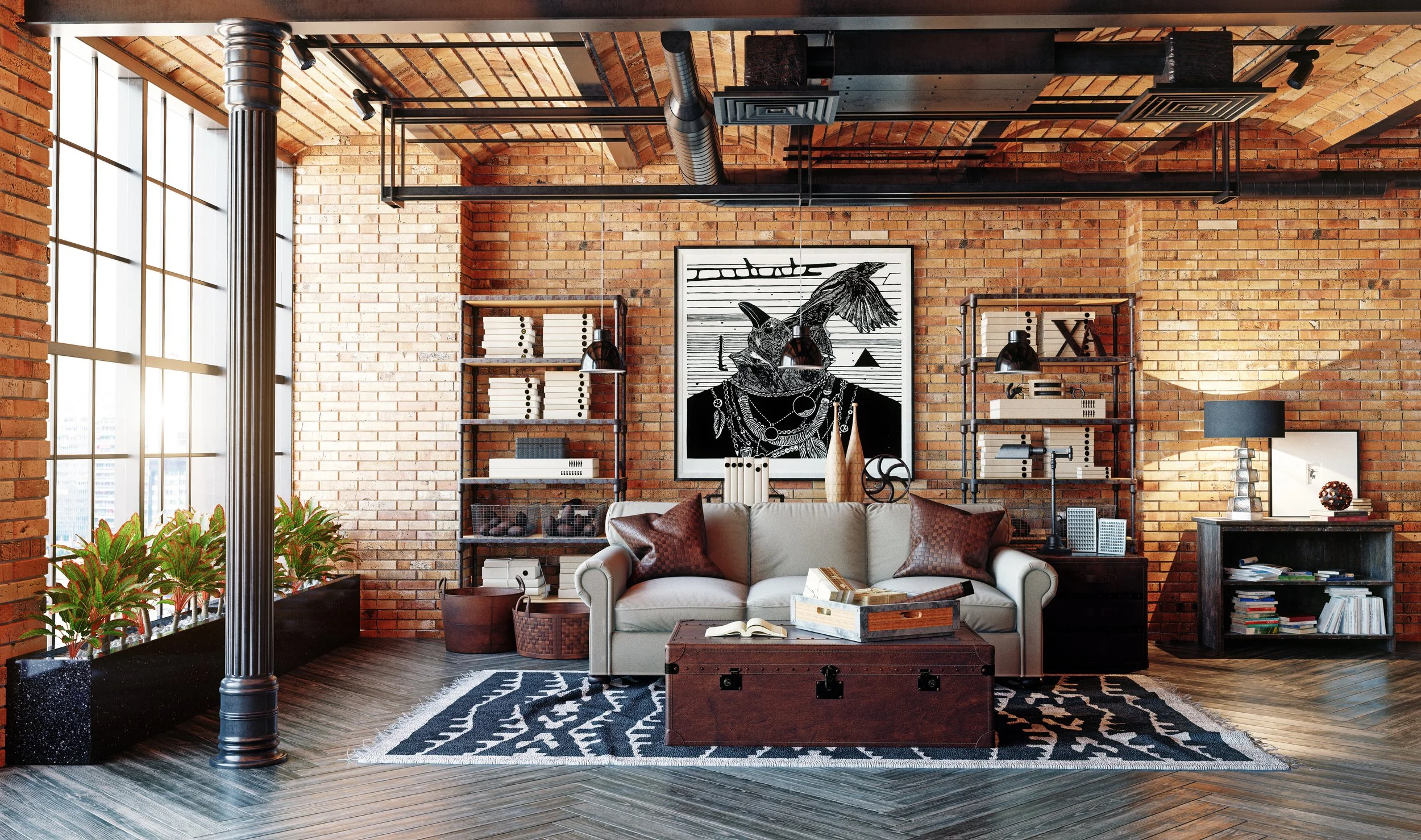
What Is Mood Art & Why Does It Matter in Modern Interiors
Mood art is the curatorial practice of selecting artwork for its emotional resonance rather than its ability to fill a blank wall. It prioritizes human connection and atmosphere over fleeting, trend-driven styling.
In modern interiors, establishing a distinct feeling is becoming far more important than achieving perfect color symmetry. Today’s collectors want their spaces to serve as sanctuaries that reflect their values. Mood art, whether through bold contemporary abstraction, expressive street-art-inspired motifs, or minimalist photography, serves as the emotional anchor of that sanctuary.
The Difference Between Decorative Art and Emotional Art
Decorative art is chosen simply to occupy space. It relies heavily on seasonal color palettes and mass-produced aesthetics and is designed to blend in and complete a room quietly.
Emotional art, however, is chosen for its narrative and presence. It may not perfectly match the textiles in the room, but it commands attention because it reflects a memory, an aspiration, or a specific state of mind. Decorative art fades into the background; emotional art defines the entire room experience.
Why Interior Design Trends Are Shifting Toward Personal Expression
Fast decor moves at an exhausting pace. What goes viral on social media today often feels dated within a few months. Because of this, thoughtful homeowners are moving away from disposable aesthetics and leaning heavily into intentional collecting.
By shifting the focus to personal expression, you no longer have to replace your wall art every season to keep up with trends. Instead, you invest in museum-quality pieces created by living artists that hold intrinsic meaning and remain timelessly relevant, regardless of shifting design fads.
How Art Influences Mood and Atmosphere in a Space
Art dictates the psychological temperature of a room. The interplay of composition, scale, and texture directly influences our physiological and psychological responses to art. Soft, sweeping abstract forms can lower the heart rate and create tranquility. High-contrast, vibrant compositions can stimulate conversation and energy. When you curate art for emotional connection, you are actively designing how a room feels the moment someone walks through the door.
How to Identify the Mood You Want Your Space to Reflect
Before exploring collections or buying art online, you must define the emotional direction of your space. Curation begins with absolute clarity.
Ask yourself:
Do I want this room to serve as a calming retreat or a vibrant hub for entertaining?
Should the environment support deep focus, total relaxation, or uninhibited creativity?
Does the architecture need a touch of softness, or a bold injection of strength?
Calm and Serene Spaces
For a peaceful sanctuary, seek out artwork that reduces visual noise. Key characteristics include muted tones, expansive negative space, and gentle, fluid movement. These pieces are essential for bedrooms, reading nooks, and private spaces where you need to decompress from the sensory overload of the outside world.
Bold and Energized Interiors
If a room is meant for gathering, like a living room or a creative studio, you need artwork with an undeniable presence. Look for vibrant palettes, sharp contrasts, and dynamic movement. Bold statement art activates a room, creating an immediate focal point that sparks conversation.
Reflective and Thoughtful Environments
Some spaces, like a home office or a curated library, demand introspection. Monochrome photography, intricate line work, or highly textured pieces encourage slower viewing. They invite the eye to linger, fostering a sophisticated and contemplative atmosphere.
Choosing Art Based on Emotion Instead of Color Matching
The most common trap for new collectors is treating art as a matching accessory. A true curatorial approach focuses on emotional alignment first, and visual harmony second.
Start With the Feeling, Not the Palette
Before you look at a single piece of art, describe your desired mood in one word: Grounded. Confident. Serene. Electric. Evaluate every potential piece against that single word. Does the artwork consistently evoke that feeling? If it does not, leave it. This discipline ensures your collection remains a true reflection of your inner life rather than your upholstery.
Let the Artwork Lead the Room’s Story
Instead of forcing a beautiful piece of art to conform to your existing decor, let the art guide the room's direction. When a museum-quality print acts as the true focal point, your supporting elements like throw pillows, rugs, and lighting can be subtly adapted around it to create a cohesive, layered narrative.
When Contrast Creates Stronger Emotional Impact
Art does not need to blend in to be effective; in fact, contrast often yields the most breathtaking results. A bold, edgy piece inspired by NYC street art can inject vital energy into a sterile, minimalist room. Conversely, a soft, ethereal landscape can bring much-needed balance to a visually busy, eclectic space.
Types of Mood Art to Consider for Your Collection
Understanding the different tiers of fine art prints helps you build a collection that meets both your emotional needs and your long-term goals.
Open Edition Prints for Everyday Emotional Expression
Open edition prints are the perfect entry point for intentional collecting. At Haus of Collectors, these are not mere posters; they are museum-quality fine art prints printed on archival paper with premium pigment inks. They offer an accessible way to introduce profound emotional themes and high-end aesthetics into multiple rooms of your home.
Limited Edition Prints for Long-Term Collecting
For the serious collector, limited edition prints offer a blend of emotional impact and structured exclusivity. Produced in strictly restricted quantities and often accompanied by a certificate of authenticity, these pieces hold their value and represent a tangible investment in the career of a living artist.
Hand-Embellished Prints for Texture and Depth
Hand-embellished prints are the ultimate bridge between a standard fine art print and an original painting. After printing, the artist physically revisits the piece, adding unique textures, brushstrokes, or hand-applied mixed-media details. This process ensures that no two pieces are exactly alike, offering collectors a profoundly tactile and emotional connection to the artist’s original vision.
How Scale, Placement, and Framing Affect Emotional Impact
Even the most breathtaking piece of art will lose its emotional power if it is displayed incorrectly.
Oversized Art for Dramatic Presence
Scale is a psychological tool. A massive, oversized print creates an immersive experience. In a spacious living room, a large-scale abstract doesn't just hang on the wall; it commands the architecture, amplifying the intended mood and making an unapologetically confident statement.
Gallery Walls for Layered Emotion
A thoughtfully curated gallery wall allows multiple emotional tones to interact. By mixing sizes, orientations, and complementary themes, you can tell a complex, overarching story rather than relying on a single note.
Framing Choices That Enhance Mood
Framing is the final, crucial step in setting the tone. Natural, light wood frames introduce warmth and organic softness. Heavy black frames add sharp architectural contrast and authority. Wide, white matting provides visual "breathing room," elevating the artwork to a gallery-level presentation.
Building a Mood-Driven Art Collection Over Time
True collecting is a marathon, not a sprint. The most captivating homes feature art collections that have evolved naturally over the years.
Buy With Intention, Not Impulse
Avoid purchasing art simply because there is a blank space on your wall that needs filling today. Wait for the pieces that resonate with your emotional framework. A curated collection is built slowly, piece by intentional piece.
Mix Emerging Artists With Established Names
A dynamic collection embraces diversity. Supporting emerging, contemporary artists brings fresh, raw energy into your home, while established creators offer proven mastery—Haus of Collectors champions real, living artists across this entire spectrum.
Choose Pieces That Grow With You
Invest in art with timeless quality. A piece chosen for its deep emotional resonance will easily transition with you from your current apartment to your forever home, continually adapting to new spaces while retaining its original power.
Common Mistakes to Avoid When Choosing Mood Art
Matching Art Only to Furniture
When art exists strictly to coordinate with a rug, it becomes invisible. Emotional art should complement a space's architecture, but it must never disappear into it.
Ignoring Scale and Proportion
Hanging a tiny 8x10 print alone on a massive dining room wall feels disconnected and timid. Conversely, cramming a massive canvas into a narrow hallway feels suffocating. Respecting proportion ensures the art can "breathe" and deliver its intended impact.
Choosing Trends Over Timelessness
If you buy art based on what the algorithm dictates is popular this month, your home will feel dated by next season. Authentic expression and museum-quality materials will always outlast fast decor.
Final Thoughts: Collect Art That Reflects Who You Are
Mood art is the ultimate pursuit of emotional clarity in your home. When you elevate your standards, prioritizing an authentic connection over simple color coordination, your interiors gain a soul.
At Haus of Collectors, we believe your walls should tell your story. Whether you are beginning your journey with our museum-quality Open Editions, investing in the exclusivity of our Limited Editions, or seeking the textured depth of our Hand-Embellished works, we provide the pieces that turn a house into a curated home.
Ready to find the piece that speaks to you? Explore our curated collections today.
Frequently asked questions
-
Limited editions offer structured scarcity and exclusivity, making them an excellent choice for collectors focused on long-term value and investment. However, open editions remain a beautiful, museum-quality way to introduce emotional art into your daily life.
-
Determine the core feeling you want your environment to project—such as serenity, creative energy, or quiet confidence. Then, seek out pieces by real artists whose composition and color palettes naturally evoke those exact feelings in you.
-
Absolutely. The human brain reacts instantly to visual stimuli. The scale, texture, and color of a fine art print can dictate whether a space feels chaotic and loud or grounded and tranquil.
-
No. Art should align with the emotional goal of the room. Often, a piece of art that boldly contrasts with your furniture creates a much more sophisticated and intentional design statement than a piece that perfectly matches your sofa.
-
To promote rest, seek out artwork with expansive negative space, muted or monochromatic palettes, and soft, fluid lines. Minimalist photography or gentle abstract open editions are perfect for these sanctuaries.